How to Talk to Kids About Hard Topics: a panel discussion

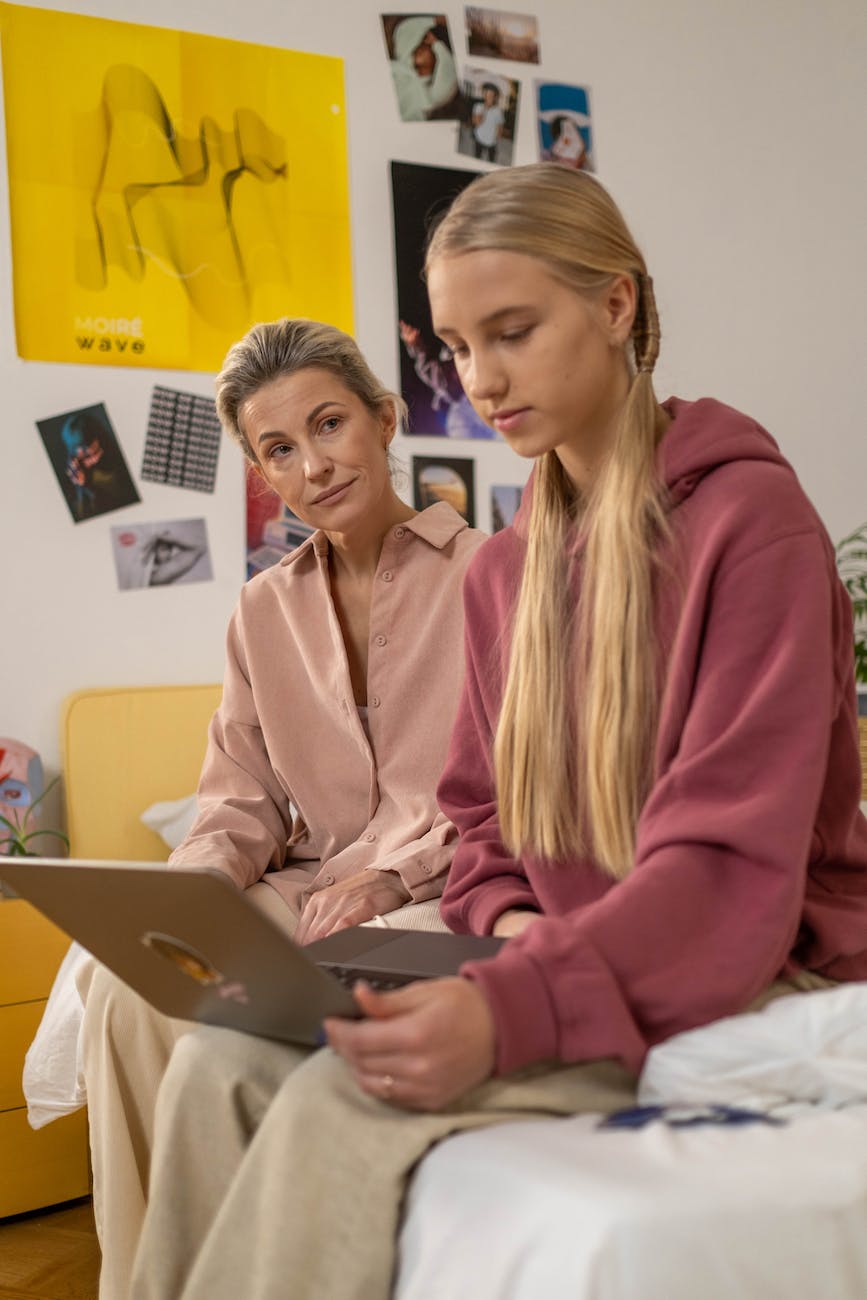
a young woman using a laptop beside her mother
Photo by cottonbro studio on Pexels.com

Death, politics, mental illness, and sex- all difficult topics for parents to talk about with their kids. Your Two Peds joined a social worker, school guidance counselor, and former teacher in a lively panel discussion at the Haverford Township Library in Haverford PA on how to normalize conversations on difficult topics between parents and their children. Watch as we talk about on ways parents can give kids give information while limiting their anxiety .

Past posts about ways to share difficult information with your children include the topics of suicide, stillbirth/miscarriage, death of a person, and death of a pet.

Warmly,

Julie Kardos, MD and Naline Lai, MD

©2023 Two Peds in a Pod®

Share

Croup

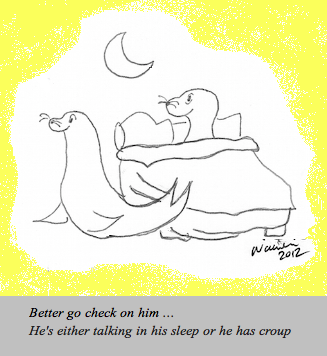
Croup humor

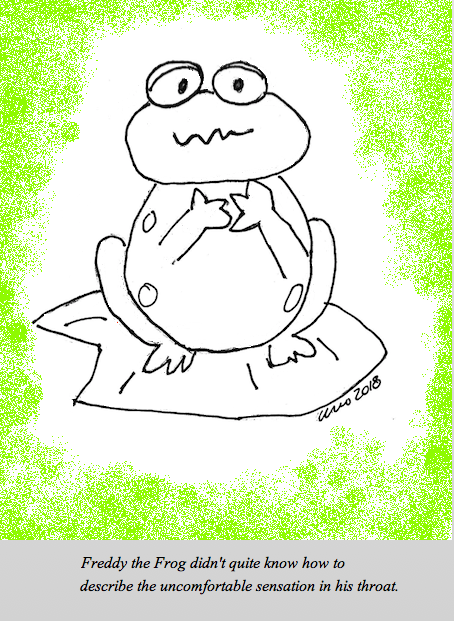
Croup is an often-suprising middle-of-the-night malady that produces a barky seal-like cough in children who seemed just fine at bedtime.

Any virus that causes cold-like symptoms of runny nose, cough, runny eyes, and sometimes fever, can also cause croup. Think parainfluenza, influenza (flu), RSV, adenovirus, rhinovirus, and now Covid-19. Any of these viruses can land in a child’s larynx, or voice box, and cause hoarseness, barky cough, and a weird gutteral sound on breathing inward, called “stridor.” Croup is the name we give the constellation of symptoms, not the name of the virus that causes it.

An adult with the same exact illness would sound hoarse, but would likely not have the strange barky cough or noisy breathing.

We have a great podcast on this subject, but for those who prefer to read medical advice, please read on.

Ways to help your child when they wake up with croup

Continue reading “Croup”
Share

Quick exercises for kids and teens

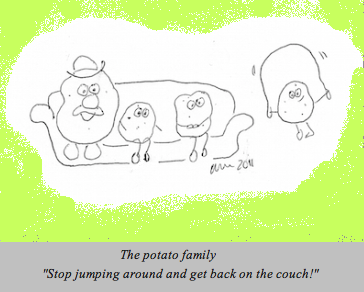
couch potato

Physical therapist Dr. Deborah Stack brings us quick exercises for kids and teens – Dr. Lai and Kardos

After six months of COVID; yes, it really has been that long already, your family has probably found some favorite outdoor hiking spots or bike routes.  But what can you do when it’s too cold or wet outside?  How can you combat literally HOURS of kids sitting at computers especially if they only have 30-45 minutes until their next class? Here are quick exercises for kids and teens and a table of caloric expenditure for common activities.

Schedule active movement breaks into their day.  Take advantage of that lunch and recess “break” and be an example yourself. 

Here are some short burst ideas:

  • Have a 15-minute dance party
  • Use your body to make all the letters of the alphabet
  • Shadow box to some music
  • Dust off the treadmill or stationary bike in the basement
  • Play ping-pong
  • Do a few chores (carrying laundry baskets up and down is great exercise)
  • Jump rope
  • Jog in place
  • Do jumping jacks
  • Pull out some “little kid games” such as hopscotch or hulahoop
  • Let each child in your house choose an activity for everyone to try
  • Do a family yoga video
  • Walk or “run” stairs…kids can try to beat their prior score for a minute of stairs
  • Take walking/wheeling/even wheelbarrow laps around the house
  • Stretch out calves, quadriceps, arms and back…see ergonomics post for counteracting all the sitting
Continue reading “Quick exercises for kids and teens”
Share

Going back to school online? Here’s what pediatricians want you to know

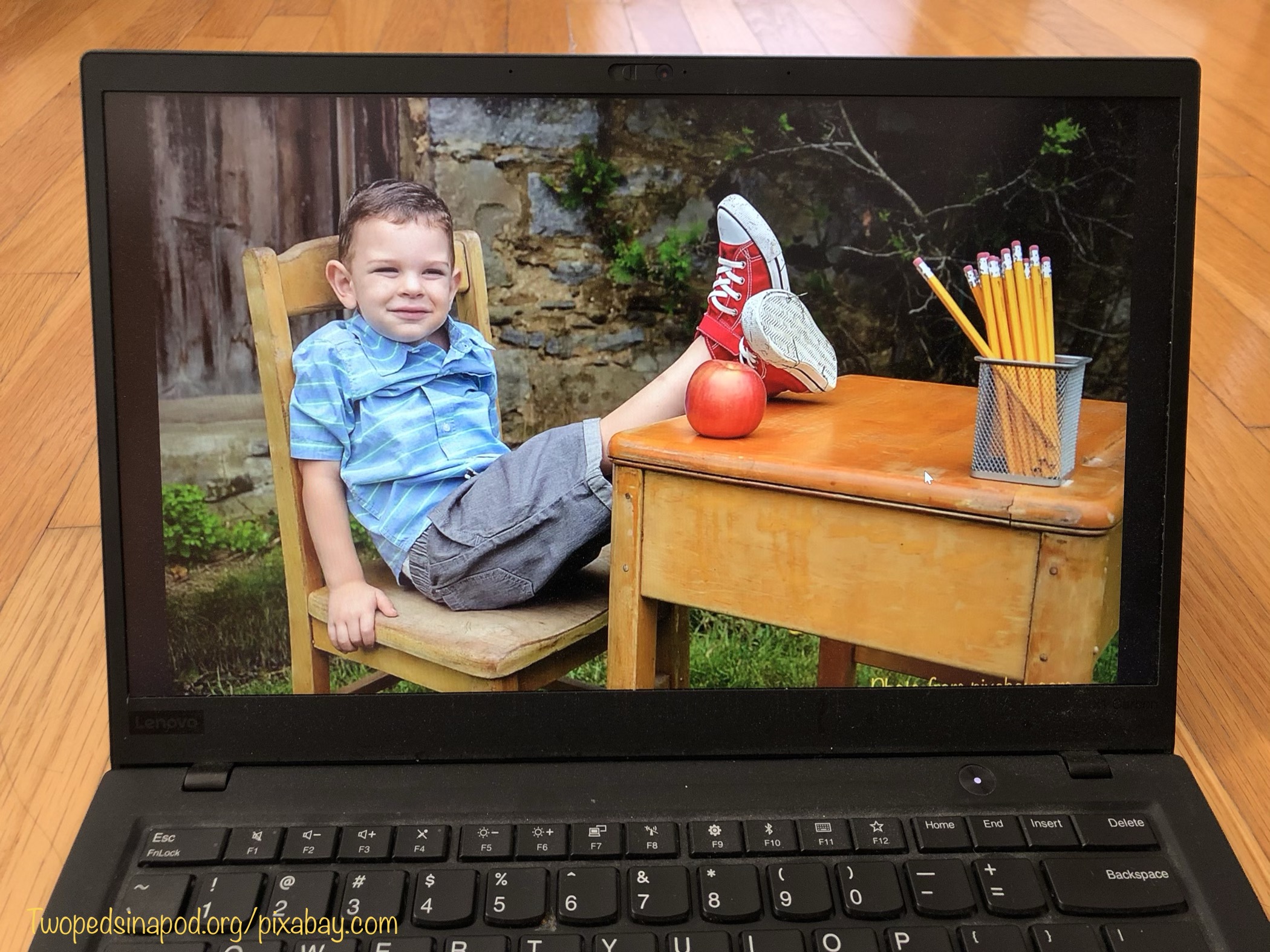
Chances are, because of COVID 19, this school year will look different for your children. Here are your Two Peds’ tips for helping your children if they are learning online this fall.

Start with basics such as setting a sleep schedule. Think about how many hours your child slept during the spring quarantine and over the summer. If they woke up refreshed, that is the optimal amount of sleep they need to be alert during class. Incorporate this into your school year expectations.  Falling asleep too late and sleeping too late? Check here on how to get your child’s late schedule under control. 

Set up an eating routine. Healthy eating habits have not changed from when you were a child. Stick to the school year schedule of breakfast, lunch, dinner and a morning and afternoon snack – just like at school. Don’t allow the  kids to graze. Without structure, children tend to throw off their weight- in fact, kids tend to gain weight more quickly  in the summer than during the school year

Rehearse mask wearing. Even though they attend school at home, your kids will go to the grocery store, see a good friend or get a haircut. Teach them to wear a mask properly so you don’t need to spend time readjusting their masks outside of the house.  

Keep up the hand hygiene at home: Washing hands always limits germ spread. WHEN–before and after eating, after using the bathroom, after playing outside, and before and after school, the HOW–soap and water preferred for the duration of time it takes to sing the Happy Birthday song twice, or hand sanitizer if a sink is not available, and the WHY–avoid germ spread. See our post on handwashing.

Prevent neck and back strain from continual computer use: Read these posts on ergonomics and proper computer positioning to prevent your children from feeling like pretzels  at the end of the day. Likewise, prevent eye strain.

If you are worried about the amount of additional time your children will spend in front of the computer for entertainment in addition to schoolwork, use the American Academy of Pediatrics’ Family Media Plan tool to create a customized screen time contract.

Create a home learning space that your child can call their own. This will be where your child will complete schoolwork and homework. This is especially important if you child usually spends time doing homework on their bed. You want your child to associate their bed with relaxation and sleep rather than activities that rev up their mind. 

Get your child the flu vaccine this fall. Even if you never immunized in the past, this is the year you should. Please see our post on the benefits of the flu vaccine

Help your child to “roll with the punches.” Change, even happy change, can be stressful for adults. After all, we all know how adults often run around frantically during the winter holidays. If you feel frustrated, angry, or fearful about the pandemic, try to keep the brunt of your own negativity from your children. Kids are often more adaptable than you might give them credit for, but they tend to mimic their parents and look to parents about how to respond to new situations. Seek adult help to prevent your own negative feelings from flowing over and smothering your children.

You can do this. Who taught your children their first words? How to walk? The color of an apple? How to organize their homework? You will still have teachers who will teach the content of a class. Your role, as it always has been, is to provide the best possible  learning environment.

No matter how it looks, we wish your family a great start to the school year!

Naline Lai, MD and Julie Kardos, MD

©2020 Two Peds in a Pod®

Share

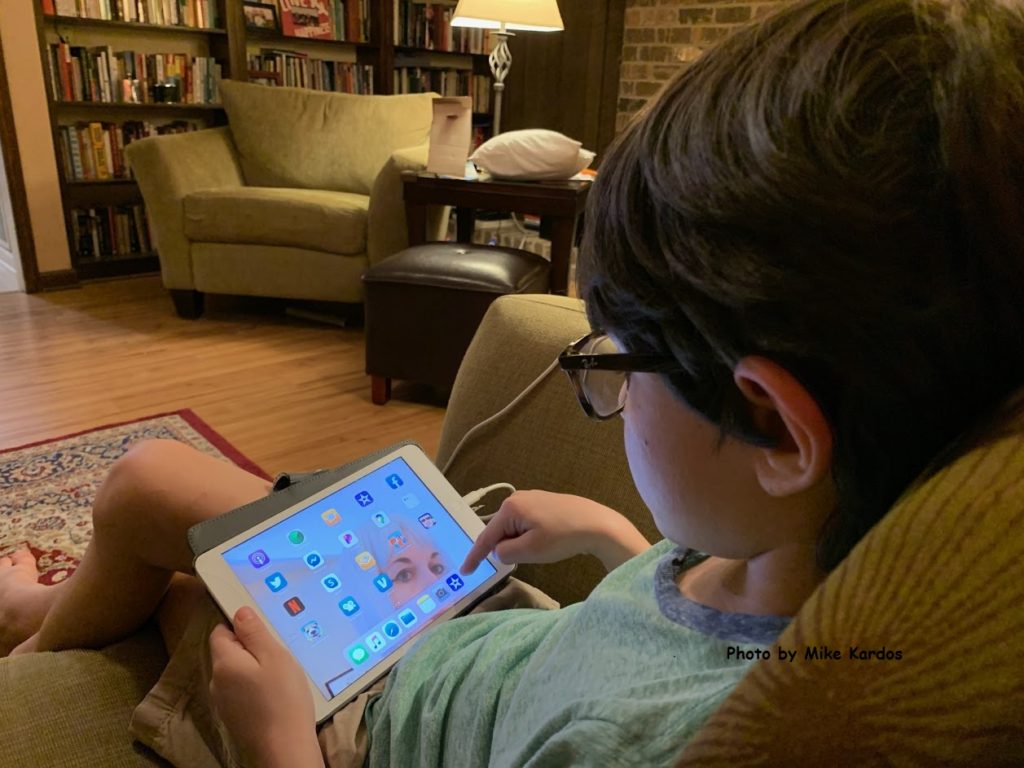
Kids on computers: are special blue light-blocking filters worth the expense?


are glasses with special blue light-blocking filters worth the expense?

Kids are spending much more time on computers and other screens learning, staying in touch with friends and family virtually, and playing games. Are glasses with special blue light-blocking filters worth the expense? Our guest blogger, pediatric ophthalmologist Dr. Sheryl Menacker, addresses this question.
-Drs. Kardos and Lai 

There is much buzz about glasses that filter out blue light from computer, phone, and other screen devices.  But are the problems real and are these glasses worth the expense?    

The American Academy of Ophthalmology says no, and here is the explanation from their website.

Are eyeglasses with special blue light-blocking filters worth the expense? 

Continue reading “Kids on computers: are special blue light-blocking filters worth the expense?”

Share

How to sit at the computer: Ergonomics for kids doing schoolwork at home

ergonomics for kids doing schoolwork at home
#homeschooling #computer ergonomics #COVID #admireteachers


Oh my aching back…

Right now, with schools closed, kids of all ages are doing schoolwork at home.  Technology has allowed continuation of learning and even face-to-face check in with teachers.  But it also poses some challenges. School classrooms are designed for children; our kitchen tables are not.  How to sit at the computer? Just as we require ergonomic workstations for our jobs; we need to consider proper fit and alignment for our children as they learn virtually. The following are basic ergonomics for kids doing schoolwork from home that can prevent muscle aches and fatigue.

Where to place the computer screen:

Place the computer screen directly in front of your child with the eyes level with a spot about 2-3” below the top of the screen.  In addition, place the keyboard so that the upper arms and shoulders are relaxed. The forearms should be parallel to the floor and the elbow bent less than 90 degrees.  The chair should have back support and allow the thighs to be supported parallel with the floor. Knees should also be bent to 90 degrees or a bit less with feet supported. This can be a challenge for our elementary school kids who are trying to work at home.  The Canadian Safety Council suggests: “choose a chair that places the child at the proper height in relation to the equipment. If that means a higher chair, provide a footrest to support the feet and a pillow to support the back.” Continue reading “How to sit at the computer: Ergonomics for kids doing schoolwork at home”

Share

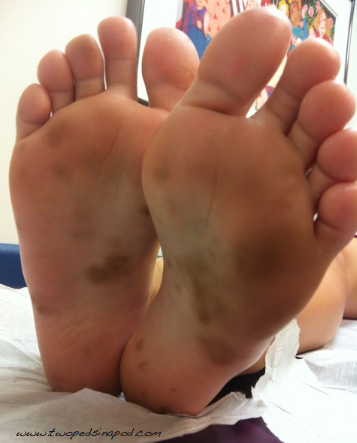
Photo quiz: what causes brown spots on feet?

brown spots on feetWhat causes brown spots on feet? In the summer, we see kids with these spots on their feet or hands. Read on for the answer behind the mysterious spots.

Every child with a lemonade stand hopes for hot sunny days to drive in customers. But if your kids squeeze fresh lemons for their stand, make sure they wash their hands after squeezing the lemons. Otherwise, after a sunny day, your child’s hands may turn out looking like this kid’s feet. The juice of some fruits or plants will cause a dark discoloration of the skin if exposed to sunlight.

This reaction, called phytophotodermatitis, usually starts a day after the juice comes into contact with the skin. Redness and mild blistering eventually leads to a discoloration, like those brown spots on feet, which can that can last for months. Citrus fruits are the most common culprits, but wild parsnip, wild dill, wild parsley and buttercups also cause the photosensitivity. Often the initial redness and blistering is missed. The kid in the photo was walking in bare feet on leaves near an apple tree. So now you can tell your kids not to walk barefoot outside to prevent stepping on a bee, to prevent contracting poison ivy, and to prevent phytophotodermatitis!

Makes you think about holding off on fresh lemons and using powdered lemonade mix…almost.

Naline Lai, MD and Julie Kardos, MD
©2014, 2019 Two Peds in a Pod®

Share

How to treat eczema or atopic dermatitis

eczemaIt’s pretty annoying to be itchy. Dr. Lai fondly called her itchy oldest child with eczema “itchy, bitty, spider,”or some variant of that, for much of her daughter’s childhood. Fortunately, for your kids with sensitive skin, dermatologist Teresa S. Wright, MD  joins us today with tips for how to treat eczema or atopic dermatitis—Drs. Kardos and Lai
Has your child been diagnosed with eczema? Eczema is a general term that refers to a group of skin conditions characterized by itchy red rashes. The term “eczema” often refers to a skin condition known as atopic dermatitis. Atopic dermatitis may occur in association with allergies and/or asthma and the rash tends to come and go. Common triggers include illness, stress, and changes in the weather or temperature. The cause of atopic dermatitis is not well understood. However, most children with atopic dermatitis tend to have very dry, sensitive skin. Atopic dermatitis cannot be cured, but it can be controlled. Most children with atopic dermatitis gradually improve and many will outgrow it over time. In order to control the rash, a proper daily skin care regimen is extremely important.

Skin care regimen to treat eczema

A daily bath or shower is recommended. It is a common myth that daily bathing “dries out” the skin. This is not true. Bathing puts moisture in the skin and removes irritants and germs. However, the bath or shower should be short (less than 10 minutes) and not too hot. Cleanser should be gentle, fragrance-free, and dye-free. Dove™ for Sensitive Skin or Aveeno™ fragrance-free cleanser are good choices. After bathing, pat the skin dry with a soft cotton towel and apply a  heavy bland moisturizer to all skin to seal in the moisture. Continue reading “How to treat eczema or atopic dermatitis”

Share

New national guidelines for water safety, and free swim lessons in Bucks County


water safety guidelines apply on beaches as well as pools

When one of Dr. Lai’s kids was around two years old, she deliberately let go of Dr. Lai’s hand when wading in waist high water. She exclaimed, “Look mommy, I can swim!” But she couldn’t, and as she started to sink, Dr. Lai scooped her up. What if she had taken swim lessons? Would that have been enough to prevent drowning? It may have helped, but that’s not enough. Kids need layers of protection to prevent tragedy in water.

Just in time for summer, we have new evidence about drowning prevention for both young kids and teens. Read on for updated swimming and water safety tips and an offer for free swim competency lessons for older kids.


Who is most at risk for drowning?

Children age 4 years and younger.

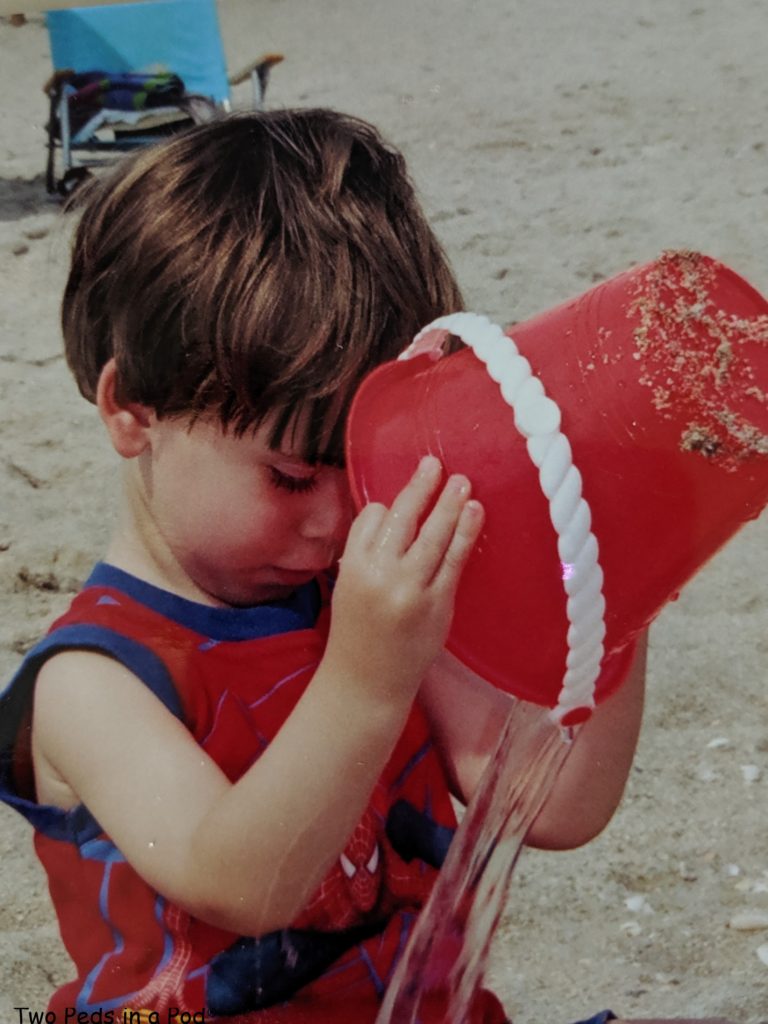
Most of these kids drown when parents do not realize kids have access to water. Think bathtubs, buckets, and toilets as well as ponds, puddles, and pools. Drowning is silent. Parents need to always watch their children around any body of water.

Adolescents aged 15-19.

Several factors contribute, including under-estimating risk (strong tides, swimming out too far), overestimation of skills, and substance use. Be sure to discuss rules of swimming with all of your children even if they are strong swimmers, and instruct them never to swim alone or without a lifeguard. Set an example yourself by wearing life jackets while boating and abstain from alcohol consumption. Alcohol contributes to half of all boating accidents in the United States.

Kids with autism.

Like children with other behavioral disabilities, they often wander away from adults without warning.

Children with seizure disorders.

Drowning is the leading cause of accidental death in children with epilepsy. Like ALL children, kids who have seizures should never be left alone for even a second in pools or baths.

Kids with a predisposition to cardiac arrhythmias.

If your family has a history of heart arrhythmias (eg. Long QT, Brugada syndrome, Ventricular tachycardia), unexplained sudden death at a young age, or an unexplained drowning, bring it to your pediatrician’s attention. In your child, let your pediatrician know about any fainting/near fainting episodes, “funny” heart beats, or chest pain.


When should I start swim lessons for my child? Continue reading “New national guidelines for water safety, and free swim lessons in Bucks County”

Share
image_pdfimage_print