Why do tummy time?

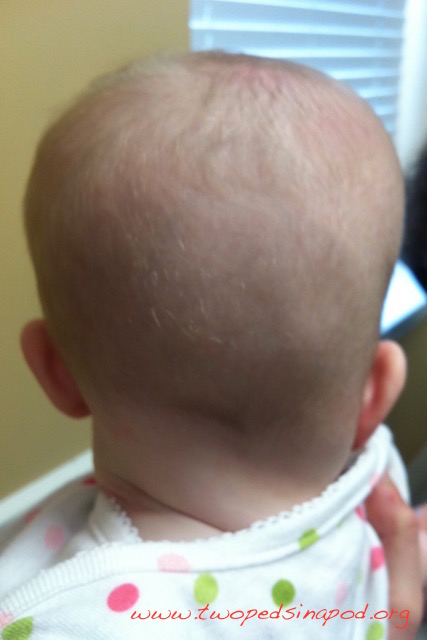
Tummy time can prevent flat head syndrome, or plagiocephaly

Your insta feed is probably flooded with ideas on how to encourage tummy time with your baby. 

We see one pediatrician has garnered nearly a million views. So why bother with tummy time in the first place?

In the late 1990s, pediatricians noted that while the safe sleep recommendation of “back to sleep” prevented sudden infant death syndrome, back sleeping caused the back of heads to flatten. Tummy time gives babies time off of the back of their heads. 

Rest assured, it is not important for your baby to have a perfect basketball-shaped head. Instead, you are helping to prevent obvious flattening. Once your baby learns to sit, around 6 to 7 months, they will spend much less time lying down and have more time for their heads to round out as they continue to grow. 

Flattening from pressure on the skull is called “positional plagiocephaly,” which is different from the more serious condition of  craniosynostosis. Routine pediatrician visits help your baby’s doctor to determine if your baby’s head is growing correctly.

Continue reading “Why do tummy time?”

Share

A developmental guide to reading to your young child

how to read to your young child
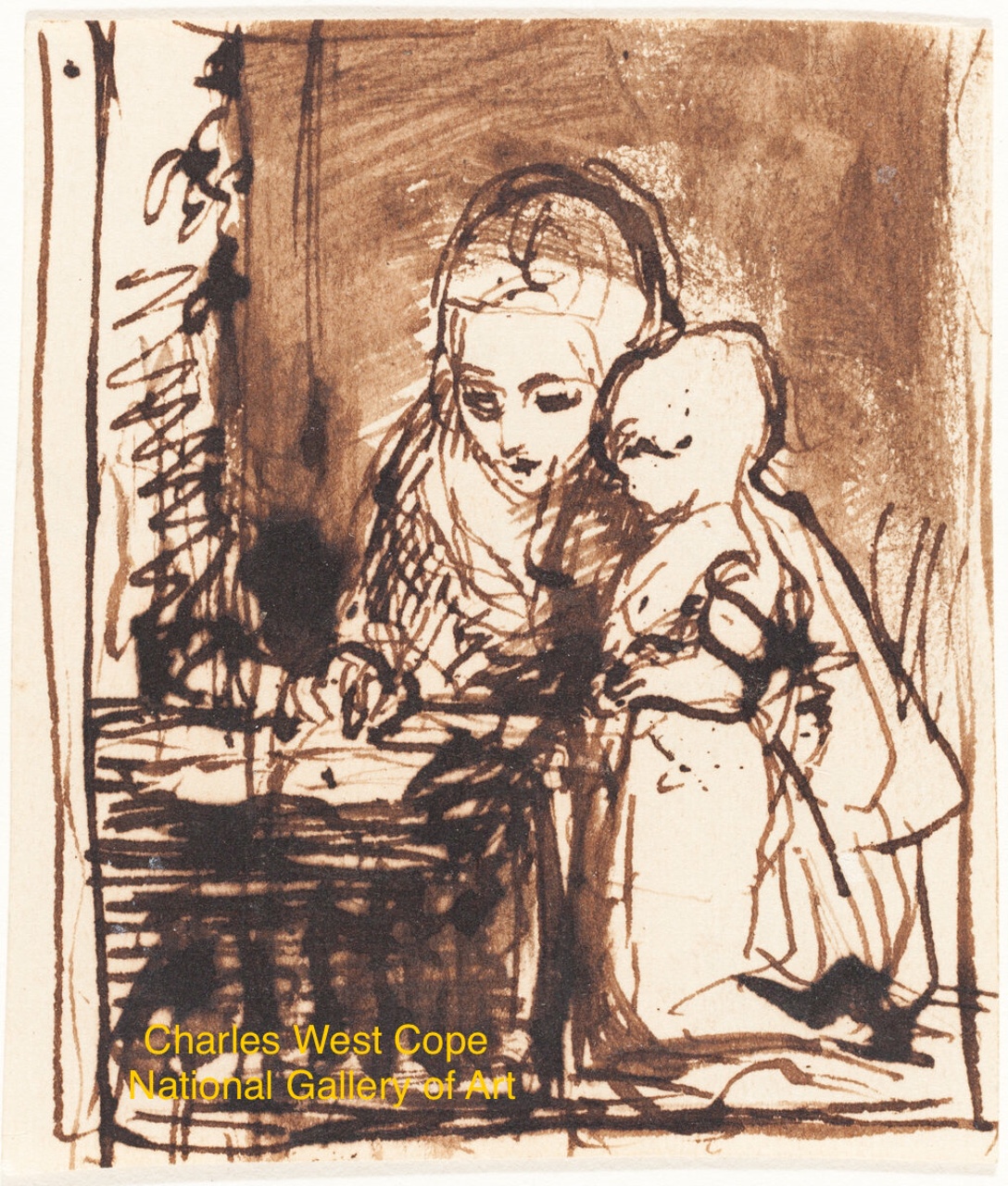
Charles West Cope (British, 1811 – 1890 ), Woman Reading to a Child, Gift of William B. O’Neal 1995.52.28

We know parents who started reading to their children before they were born, but don’t fret if you didn’t start when baby was in the womb. It’s never too late to start. Today we give you a developmental guide to reading with your young child.

Three months of age

By three months of age, most babies are sleeping more hours overnight and fewer hours during the day (and, hence, so are their parents). Now you have time to incorporate reading into your baby’s daily schedule. At this age babies can visually scan pictures on both pages of a book. Babies see better close-up, so you can either prop your baby on your lap with a book in front of both of you, or you can lie down next to your baby on the rug and hold the book up in front of both of you. The classic Goodnight, Moon by Margaret Wise Brown or any basic picture book is a great choice at this age.

Six months of age

By six months of age many babies sit alone or propped and it is easier to have a baby and book in your lap more comfortably. Board books work well at this age because 6-month-olds explore their environment by touching, looking, and MOUTHING. Sandra Boynton’s Moo, Baa, La La La was a favorite of Dr. Kardos’s twins at this age, both to read and to chew on.

Nine months of age

Continue reading “A developmental guide to reading to your young child”
Share

More tips on feeding your baby: finger foods, cups, and more

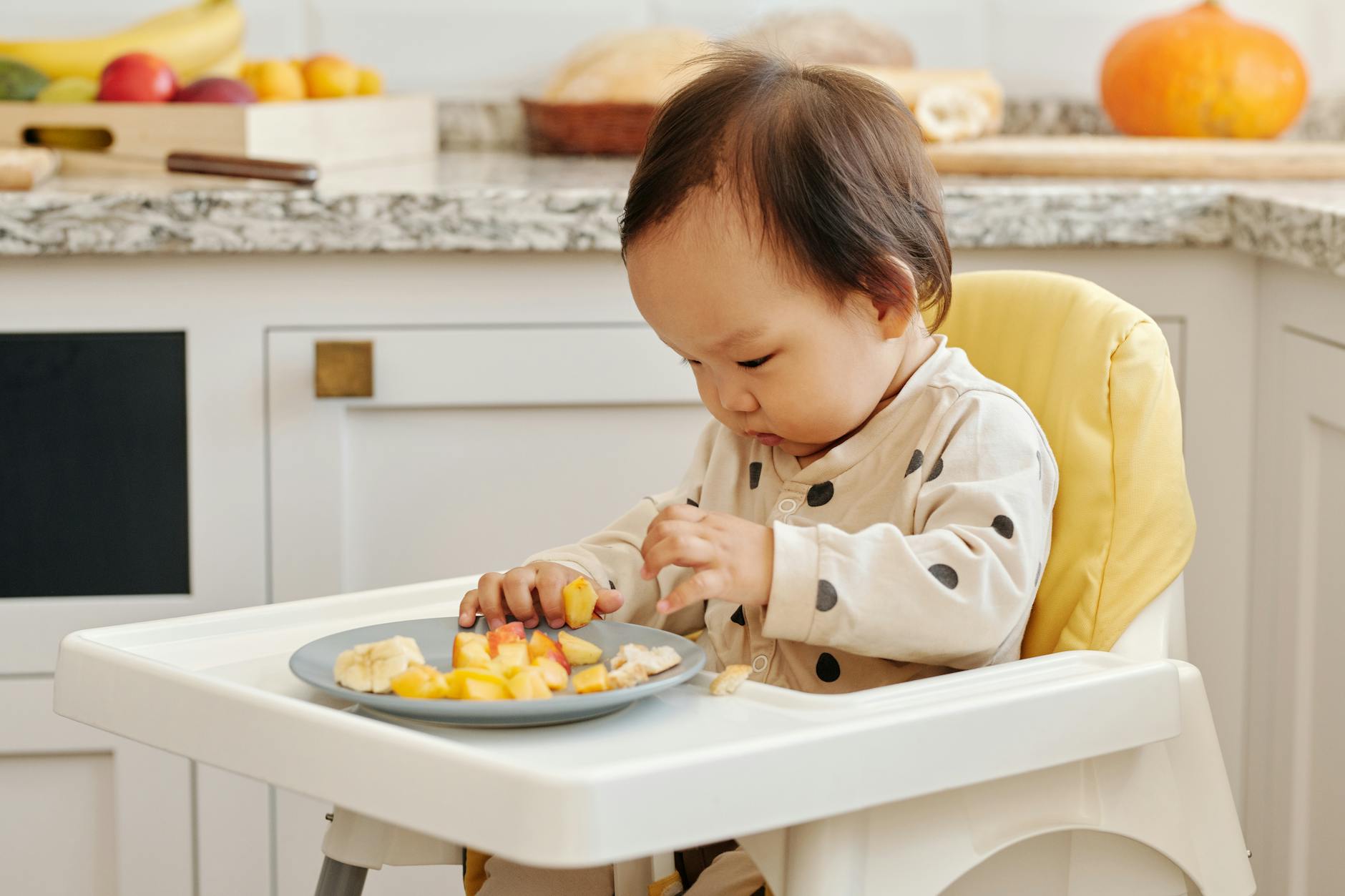
a toddler eating fruits sitting on the high chair
Photo by Vanessa Loring on Pexels.com

Dr. Kardos recalls what a game-changer it was when her twin babies could feed themselves. Although messy, it was much easier than spoon feeding simultaneously two hungry babies. Now that you started your baby on solids using ideas from our last post, let’s move on to tips on cups, finger foods and more. Mealtime will be less chaotic.

Cups and finger foods

Starting at six months your child moves towards three solid food meals a day. Babies continue to drink breast milk or formula in between, but you can start teaching them how to use a cup. Offer a few sips of water, formula or breast milk when they sit down to eat. Use any type of cup, including an open cup. Avoid juice since it contains a lot of sugar and very little nutrition.

Continue reading “More tips on feeding your baby: finger foods, cups, and more”
Share

Tips on how to start your baby on food

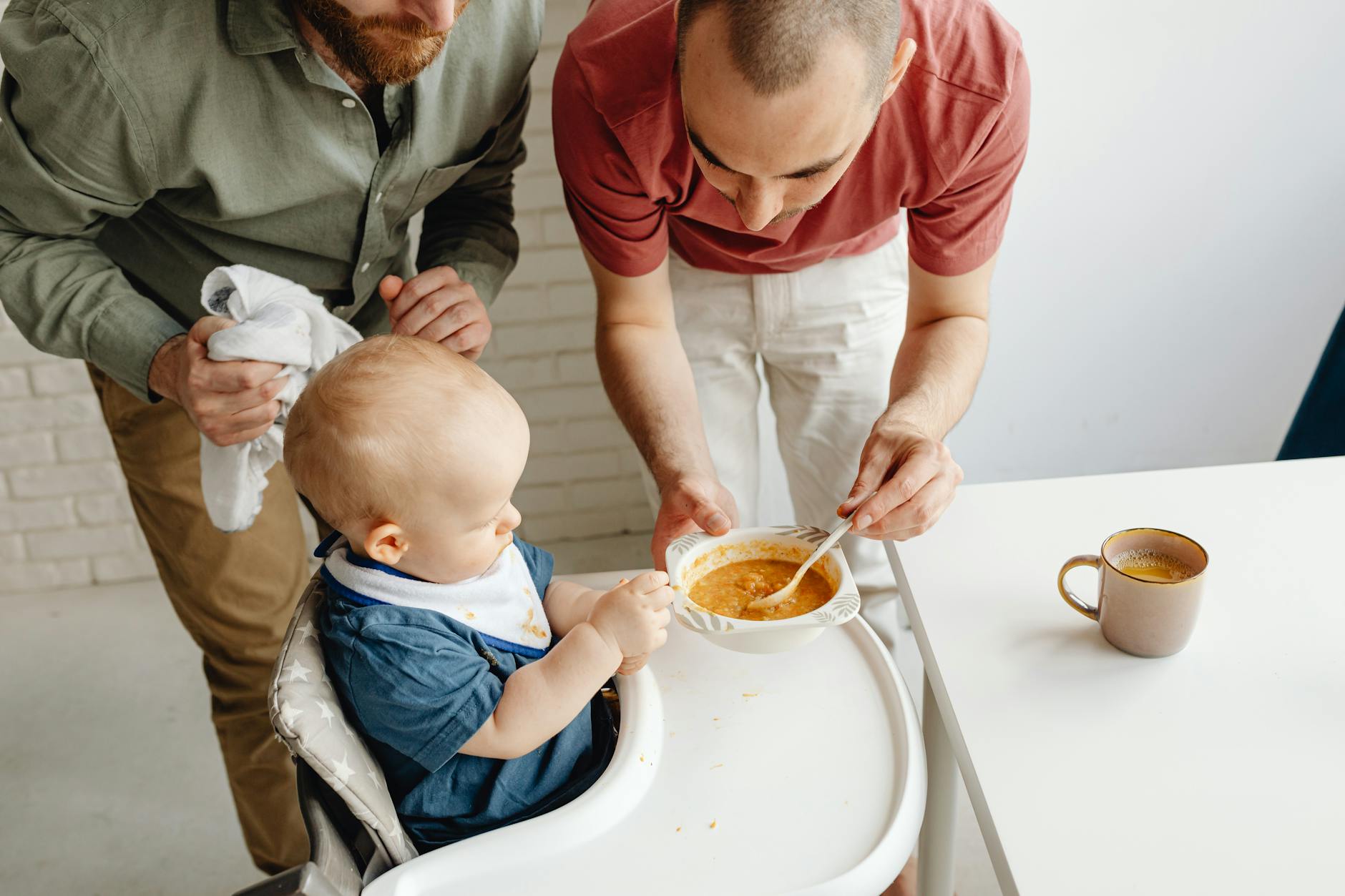
parents feeding baby at breakfast
Photo by Photo By: Kaboompics.com on Pexels.com

Your baby stares at you as you eat, and their eyes follow everything you put into your mouth. Are they ready to join your family at the dinner table?  Has your pediatrician given you the go-ahead to start feeding your baby solid foods? Here are tips on how to start your baby on food.

Before you get started

Eating a meal with family is social as well as nutritious. Keep eating a pleasant and relaxed experience. Avoid force-feeding or tricking your child into eating. Feed your baby at the family table. Your baby learns to eat by watching others eat. Family meals foster family connections.  

The first taste: Babies expect a breast or a bottle when hungry. So make sure your baby is happy and awake but NOT starving the first time you feed her solid food because at this point she is learning a skill, not eating for nutrition. Keep a camera nearby because babies make great faces when eating food for the first time. Many parents like to start new foods in the morning so that they have the entire day to make sure it agrees with their baby. 

Continue reading “Tips on how to start your baby on food”
Share

Baby food pouches are not a developmental milestone

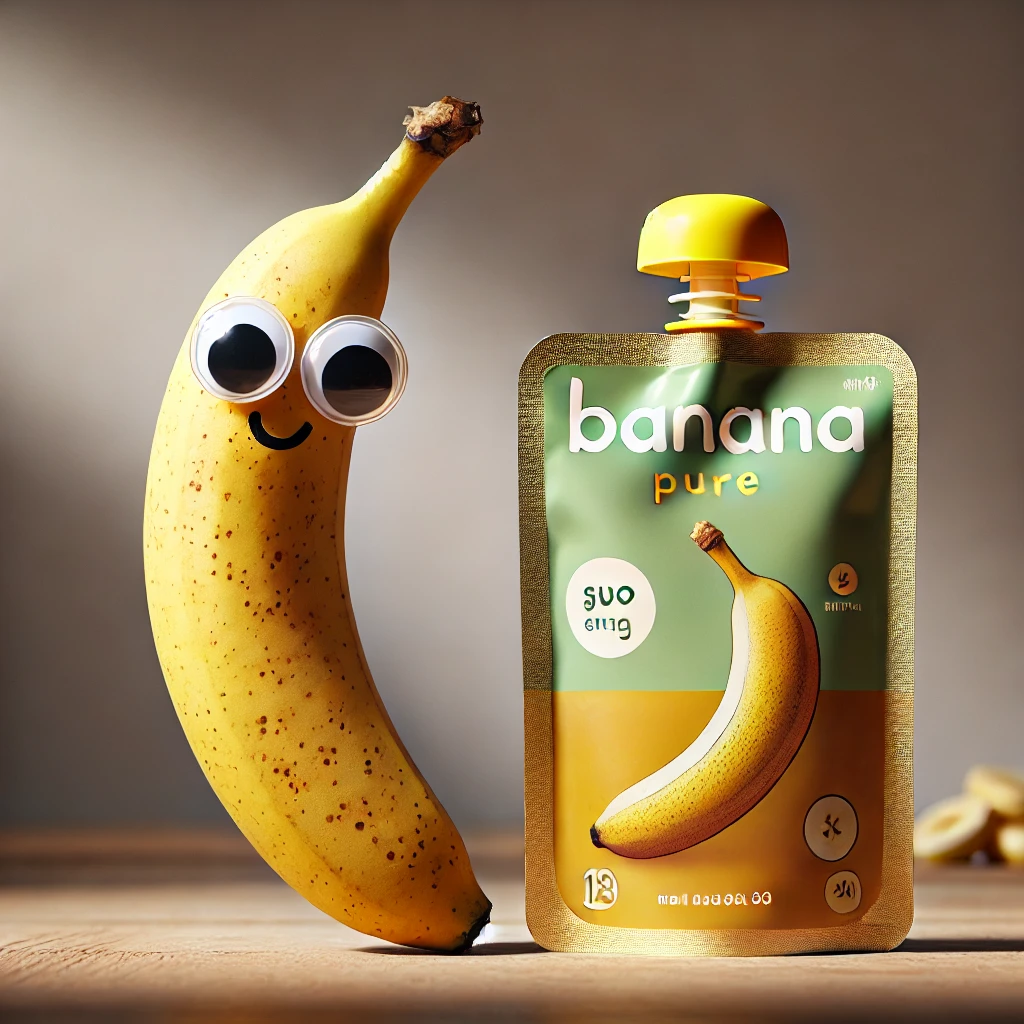
baby food pouches can be 12 times as expensive as actual food

A google search of baby food pouches yields overwhelming options. When I see babies sucking on these pouches I think: are we in a spaceship? We are raising children, not astronauts. Most of us do not suck our meals; we bite and chew them. Please consider the following problematic aspects of baby food pouches before you buy more of them.

The texture in every food pouch is the same

Continue reading “Baby food pouches are not a developmental milestone”
Share

Parent guide to traveling with young children for the holidays

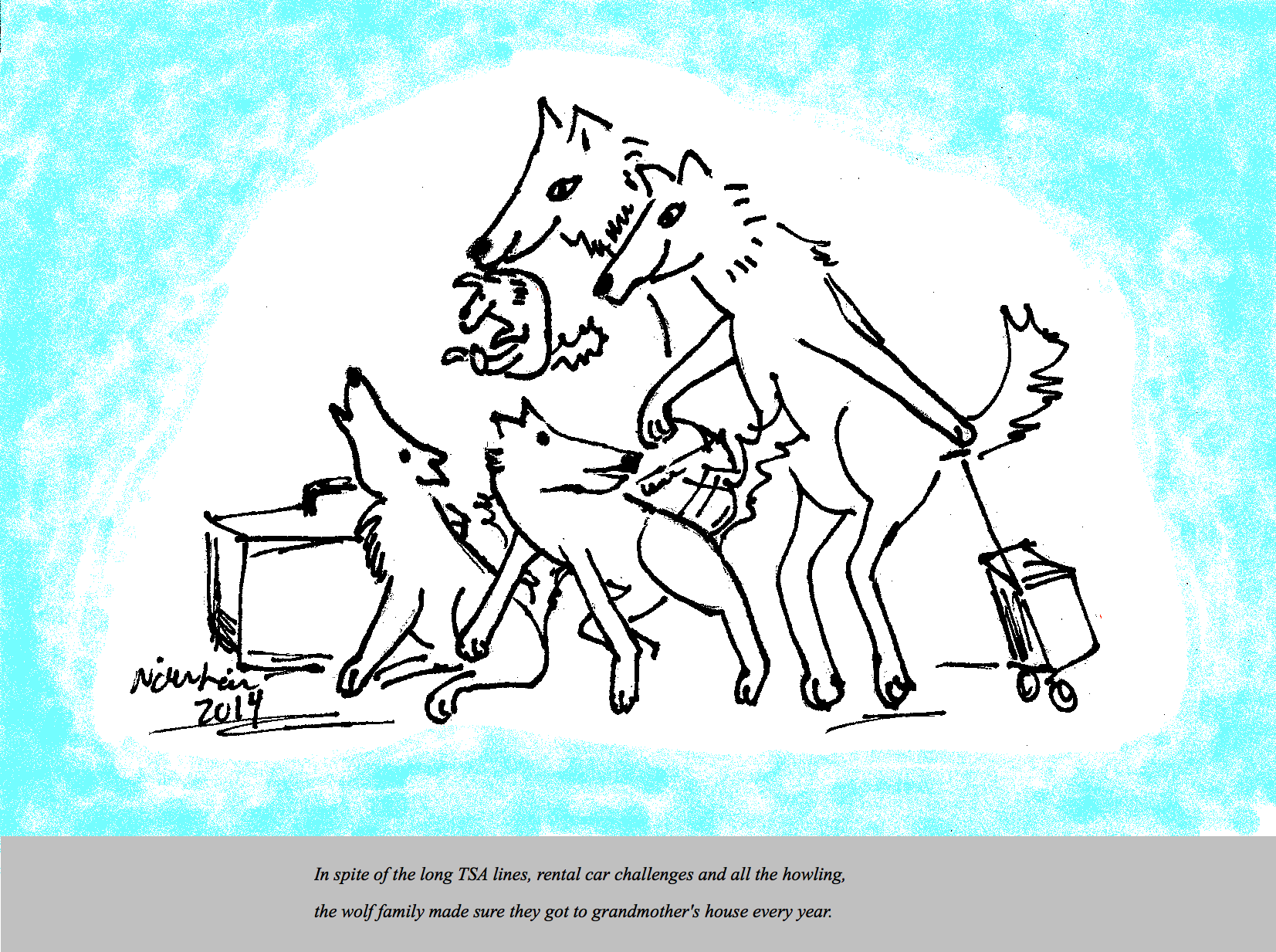
Cartoon of wolf family traveling with young children

Do you plan to travel with young children this holiday season? You won’t appreciate how much your baby has grown until you attempt a diaper change on a plane. For families, any holiday can become stressful when traveling with young children is involved. Often families travel great distances to be together and attend parties that run later than their children’s usual bedtimes. Fancy food and fancy dress are common. Well-meaning relatives who see your children once a year can be too quick to hug and kiss, sending even not-so-shy kids running. Here are some tips for safer and smoother holiday travel.

Continue reading “Parent guide to traveling with young children for the holidays”
Share

RSV Prevention Updates for 2024-2025

RSV

Hello, parents! As we gear up for another winter season, we want to share some important RSV prevention updates. RSV, or Respiratory Syncytial Virus, can cause nasty colds, but it’s particularly concerning for babies under 8 months old, as it leads to more hospitalizations than any other illness in this age group.

Good News About Beyfortus!
Last winter, we saw some fantastic results from nirsevimab, better known as the brand name Beyfortus. Beyfortus is RSV antibody designed to protect our littlest ones. It was shown to be 90% effective in reducing hospitalizations due to RSV. That’s a big win for babies and their families.

How Can You Protect Your Baby?
There are two key ways to help keep your young infant safe from severe RSV:

Continue reading “RSV Prevention Updates for 2024-2025”
Share

Protection against severe RSV-we finally have it!

protection for babies against severe RSV

mother carrying baby
Photo by Laura Garcia on Pexels.com

Finally!

Pediatrician and parents have waited patiently for effective protection for babies against severe RSV (respiratory syncytial virus) infections, and we finally have it.

Welcome, nirsevimab – otherwise known as brand name Beyfortus.

Nirsevimab protects against RSV, which is a nasty cold virus that attacks young lungs fiercely. While many babies with RSV end up with “just a cold,“ 20% to 30% with a first time infection end up with lung infections. Year after year hospitals fill with babies battling RSV. An additional problem with RSV: babies sick with RSV have a greater risk of developing asthma than babies who were never infected with RSV.

This viral season every newborn and any baby younger than eight months of age is eligible for a one time shot of nirsevimab. The shot gives protection in the form of antibodies to RSV. 

Not a new type of medicine

A similar medication called palivizumab (brand name Synagis) has been around for years. However, only certain high risk babies, such as those who were born very prematurely, received it. Palivizumab consisted of monthly injections during RSV season (typically October through March).

Conveniently, one dose of nirsevimab gives protection against severe RSV for five months.  All babies under eight months of age during RSV season will be eligible to receive this new protection.

Be sure to discuss nirsevimab with  your pediatrician this fall.

For a more detailed account of nirsevimab recommendations read here.

The arrival of nirsevimab will make every pediatrician and lots of babies breathe a little easier this fall and winter.

Julie Kardos, MD and Naline Lai, MD

©2023 Two Peds in a Pod®

Share

Why Won’t My One-year-old Eat?

photo of a man feeding a child
Photo by Karolina Grabowska on Pexels.com

Remember when feeding your baby was fun? They way he opened his mouth like a baby bird when you fed him oatmeal. They way she thumped her hands on the high chair tray waiting for another bite of mashed bananas. It was hard not to laugh as your nine-month-old slowly picked up each piece of pancake and chewed thoughtfully, or the way your eleven-month-old, covered in tomato sauce, double fisted a messy meal of cut up meatballs and elbow noodles. And then they turned one. You call your pediatrician and search the internet to ask, why won’t my one-year-old eat?

Maybe they actually did not stop eating entirely, but instead of the serene or comic meals you used to enjoy with your baby in the high chair, you now have a one-year-old who deliberately deposits each pea off of the high chair tray and onto the floor, smooshes their potatoes all over the plate, or thrashes like a chained-up wild beast to escape their high chair. You fluster, you offer other previously enjoyed foods, you become convinced they will starve, you offer a cookie, you offer more milk, you cry.

Let us reassure you: your one-year-old most likely is acting in a normal and predictable way. In this post, we explain why many one-year-olds seem to stop eating, and how to handle your suddenly picky, food-averse one-year-old.

Continue reading “Why Won’t My One-year-old Eat?”
Share
image_pdfimage_print