You’ve Got This: A Gentle Guide to Early Breastfeeding 

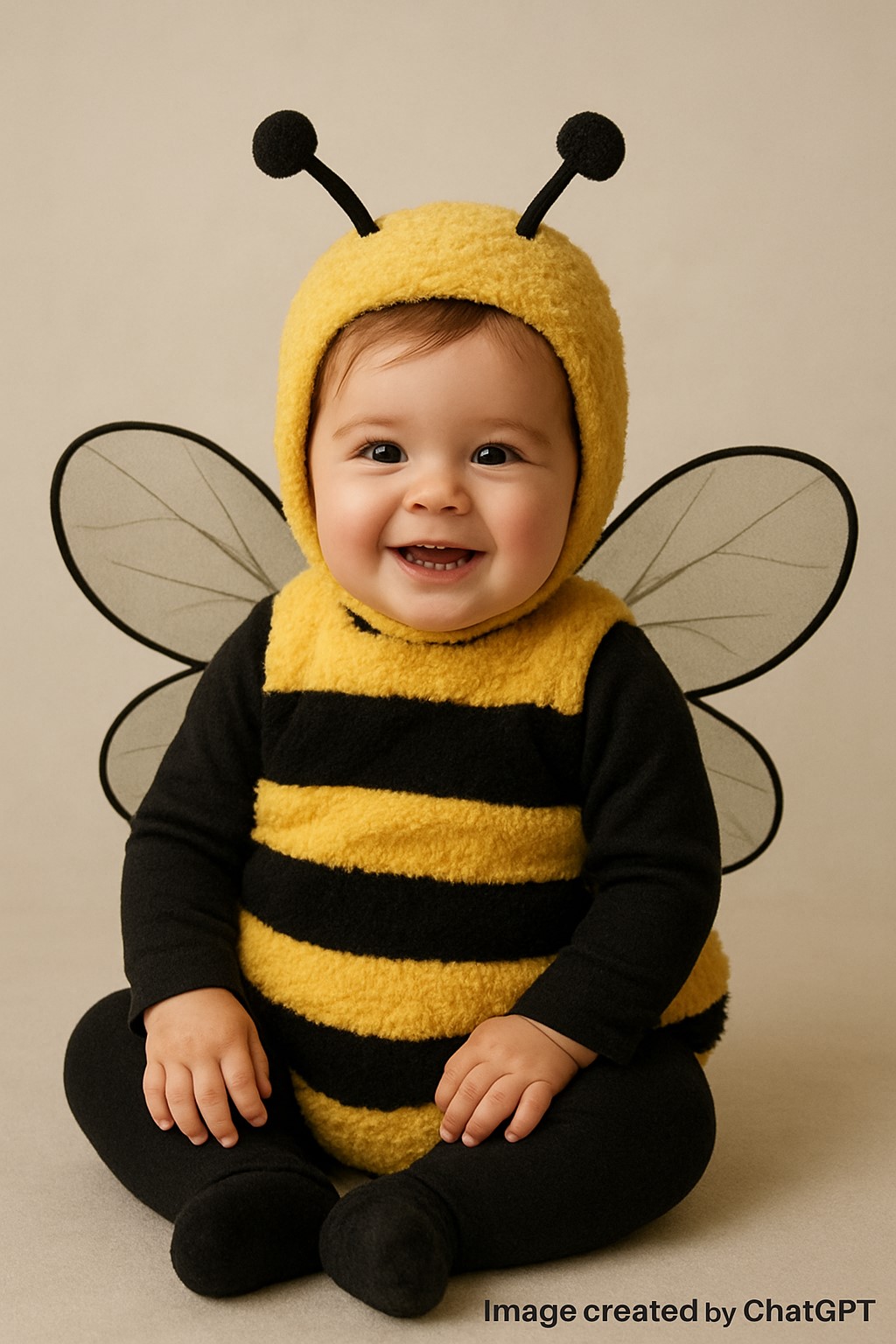
Piggies nursing

If you can stick with breastfeeding for the first two weeks, you’ll get past most of the common hurdles. Those early days can feel intense, but a little knowledge (and a lot of grace) goes a long way. Here are some practical, encouraging tips to help you get off to a strong start to early breastfeeding.

Keep at It 

Your baby is your best milk-maker. Every time your baby nurses, their sucking tells your body to make more milk. The more often the breasts are stimulated, the more milk your body produces.

Continue reading “You’ve Got This: A Gentle Guide to Early Breastfeeding “
Share

If your child is afraid of vaccines: take the sting out

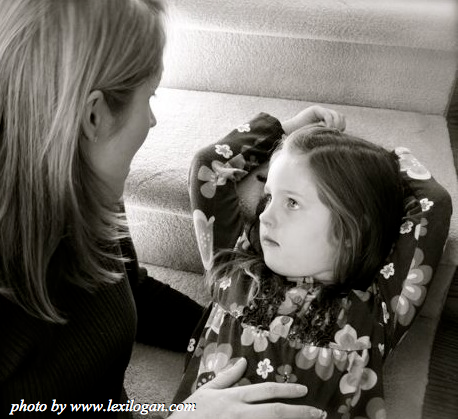
As Drs. Kardos and Lai can attest, even a pediatrician’s child does not always approach the prospect of an immunization with a grin on their face. When Dr. Lai’s daughter was two years old, she thanked her nurse for her flu vaccine by giving her a surprise punch. Here are ways you can take away the sting of a needle if your child is afraid of vaccines.

Set the stage 

Your child looks to you for clues on how to act. If mommy and daddy are trembling in the corner of the room, it will be difficult to convince your child that the immunization is “no big deal.” Do avoid a weeks-long build up. Simply announce to your child right before you leave to get the immunization, ”We are going to get an immunization to protect you from getting sick.”

Continue reading “If your child is afraid of vaccines: take the sting out”
Share

Back to School Health Tips

girl raising hand inside the classroom
Photo by Anastasia Shuraeva on Pexels.com

Whether your child is starting preschool or their last year of high school, use our back to school health tips to start strong:


Sleep

Even if school started for your child, you have time to change their summer sleep schedule. You can adjust it to fit their school year sleep needs.

Take a week or so to gradually dial back their bedtime. Otherwise, they will spend the first week of school jet lagged. The right amount of sleep for your child is whatever amount it takes them to wake naturally or to awaken with minimal prompting . Some kids need 8- 9 hours of sleep, others require 11-12 hours.

Beds are for sleeping only: no playing, studying, phone scrolling, or completing homework in bed. Teach them to “let go” of the day and associate their bed with drifting off to sleep.

Make sure kids of all ages get some exercise, preferably outside, to ward off insomnia at bedtime. On the other hand, exercise too close to bedtime will wind a child up.

Continue reading “Back to School Health Tips”
Share

Bottle Feeding Your Baby: from birth and beyond

formula feeding tips
formula one cars

There are many reasons that your baby may need formula or breast milk fed through a bottle. Some parents initially feel guilty using a bottle. If this is the case with you, know that babies bond with their parents and other caregivers with every bottle they take. One benefit of bottle feeding is that moms can get more sleep. After all, they are recovering from the herculean feat of giving birth and others can share in nourishing the baby. Below are tips for bottle feeding your baby:


Different babies are different

Some newborns will want the equivalent of Thanksgiving dinner. That is, they may take 2-3 ounces at one feeding. Others have had enough to eat after a small snack of half an ounce. Your baby will tell you they’ve had enough by pushing the bottle out of their mouth or using the bottle as a pacifier (non nutritive suck) rather than sucking hard enough to draw out the liquid (nutritive suck). Do not panic if your baby is a little gaggy when they first learn to drink. Remember, they spend 9 months getting nutrition through an umbilical cord and are inexperienced with sucking and swallowing.

Continue reading “Bottle Feeding Your Baby: from birth and beyond”
Share

How to prevent measles in your child

With measles, Benjamin Franklin’s old saying, “An ounce of prevention is worth a pound of cure,” holds. Unfortunately, pediatricians don’t have any medication that kills the measles virus. Children who are hospitalized are given support, but nothing to kill the germ. For instance, pediatricians may give oxygen to children with measles pneumonia. Pediatricians may also give Vitamin A to help prevent blindness from measles, but again, vitamins do not stop the germ.

Giving your child the MMR (Measles, Mumps, and Rubella) vaccine is the best and most natural method to prevent measles. Immunizations prompt a body’s own immune system to make antibodies. These “germ fighters” are ready to defend your child when a nasty virus like measles appears. Pediatricians give this vaccine according to a tried and true vaccine schedule at 12-15 months of age and again at 4-6 years of age. The recent death of an unvaccinated child from measles in Texas serves as a tragic reminder of the risks of not vaccinating.

How nasty is this virus?

Pretty nasty. About 1 in 5 people infected with measles end up in the hospital, and pneumonia strikes about 1 out of about every 20 children with measles. If you think about a classroom of children, that’s a lot of kids.

Continue reading “How to prevent measles in your child”
Share

How to talk about a school shooting with your child

How to talk about a school shootin with your child- a difficult task

This is not the first time we have published this post. Again, a school shooting happened, and you may be wondering how to explain this tragedy to your children.

Understand that your kids sense your emotions. Not telling them about an event may make them concerned that they are the cause for your worried hushed conversations. Break away from your discussion with adults to say, “Do you know what we are talking about? We are not talking about you.”

While difficult, it is possible to talk about a school shooting with your child in an age-appropriate manner.

Even though an event may be far away, media makes it seem as if it happened next door, and sooner or later your children will see or hear about it. Tell the facts in a straight forward, age appropriate manner. Answer questions and don’t be afraid to answer with an “I don’t know.”

Preschoolers are concrete in their thinking—dragons are real and live under their bed, so don’t put any there that do not exist. For a preschooler a simple “Mom is sad because a lot of people got hurt,” will suffice. Young school-aged kids will want to know more details. And be prepared to grapple with more high level questions from teens.

Continue reading “How to talk about a school shooting with your child”
Share

How to treat a cold: a guide for parents

Every parent knows the struggle of battling a cold. The battle is especially hard when the cold germs land right before a birthday party, a holiday gathering, or a family trip. Here are tips on how to treat a cold.

Understanding Colds

Colds typically last about 1-2 weeks, with the first week often being the toughest. Common symptoms include a sore throat, runny nose, cough, and general fatigue. Sometimes, colds can cause a mild fever, and in some cases, a bit of tummy trouble. While there’s no magic cure, there are plenty of ways to make your kids more comfortable.

Tips for Treating Common Cold Symptoms

Continue reading “How to treat a cold: a guide for parents”
Share

Keeping the Calm: three ways to decrease your child’s anxiety

We often hear about ways to chase away anxiety such as “deep breathing” and “grounding exercises” but how do you go about teaching your child those techniques? Drs. Kardos and Lai give three short ways to instill calmness into your child’s day. You can read more about childhood anxiety in this helpful post from The Children’s Hospital of Philadelphia.

Naline Lai, MD and Julie Kardos, MD

©2024 Two Peds in a Pod®

Share

The big reason right now to wash your child’s hands

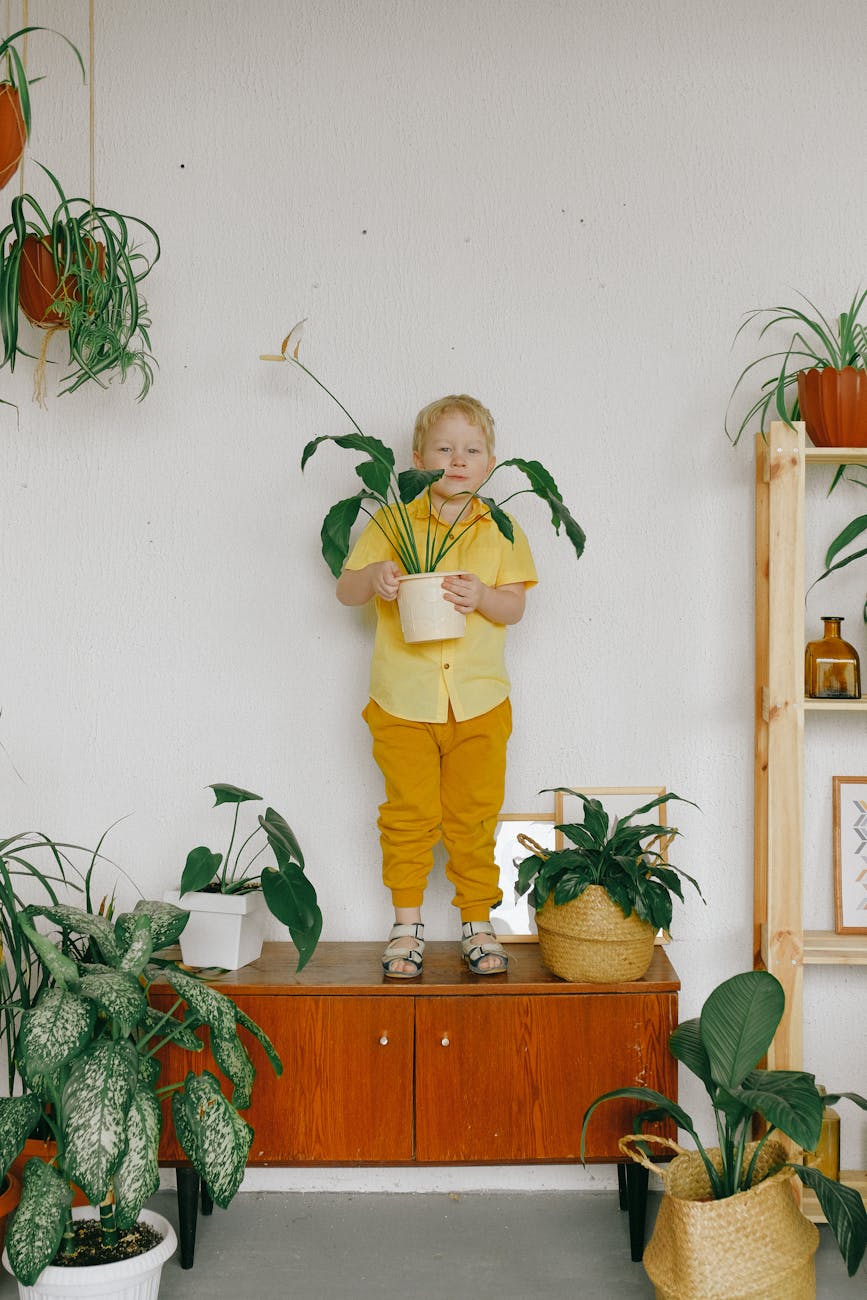
boy in yellow jacket and pants standing beside green plants
Photo by Anna Shvets on Pexels.com

Playing in the great outdoors really is great. But when your kids scamper inside, make sure they wash their hands. Now that the winter viral season has receded, the big reason to wash hands is spring allergy season. The pollen they’ve collected on their hands will make its way to their face exacerbating already itchy noses and eyes.

The easiest way to tell if your young child is experiencing seasonal allergies is if your nose starts to twitch. If your child’s nose also starts to twitch, they probably also have allergies. Allergies have a strong inheritance pattern. If both parents have allergies, up to 50-80 percent of their kids may have allergies. Keep in mind, allergies never cause a fever and since children need to be exposed to an irritant before they can be allergic to it, children under two years of age are less likely to have seasonal allergies—not enough seasons have passed.

For other ways to keep spring allergies in check- read up on this post contributed by Dr. Lai in the CHOP Health TIp of the Week.

Another reason to wash hands after zipping indoors? Poison ivy…but that’s a story for another day.

Naline Lai, MD and Julie Kardos, MD

©2024 Two Peds in a Pod®

Share
image_pdfimage_print