Food Allergies- Epinephrine hints and a free coloring book

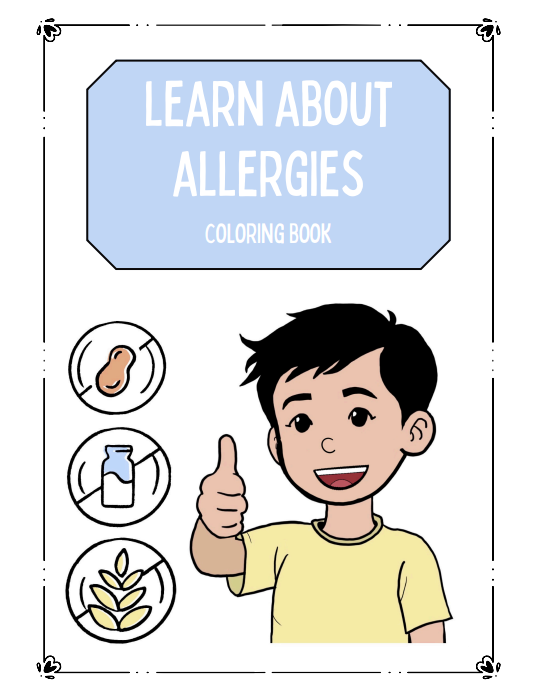
Allergy Coloring Book
For a free electronic copy of a food allergy coloring book, write us at twopedsinapod@gmail.com

As kids head back to school, it’s a good time to review how to administer your food-allergic kid’s emergency epinephrine. Dr. Lai, who has two young adults who grew up with food allergies, and Dr. Kardos offer these hints:

-Double check to make sure the medication has not expired. Also, make sure you are giving the school medication that does not expire in the middle of the school year.Double check to make sure the medication has not expired. Also, make sure you are giving the school medication that does not expire in the middle of the school year.

-What about antihistamine or asthma medications? Yes, go ahead and send them in with your child, but remember, only  epinephrine can  reverse the life-threatening symptoms of an anaphylaxis. Other medicines like antihistamines cannot stop the reaction.

Continue reading “Food Allergies- Epinephrine hints and a free coloring book”
Share

Prevent your children from ingesting THC edibles

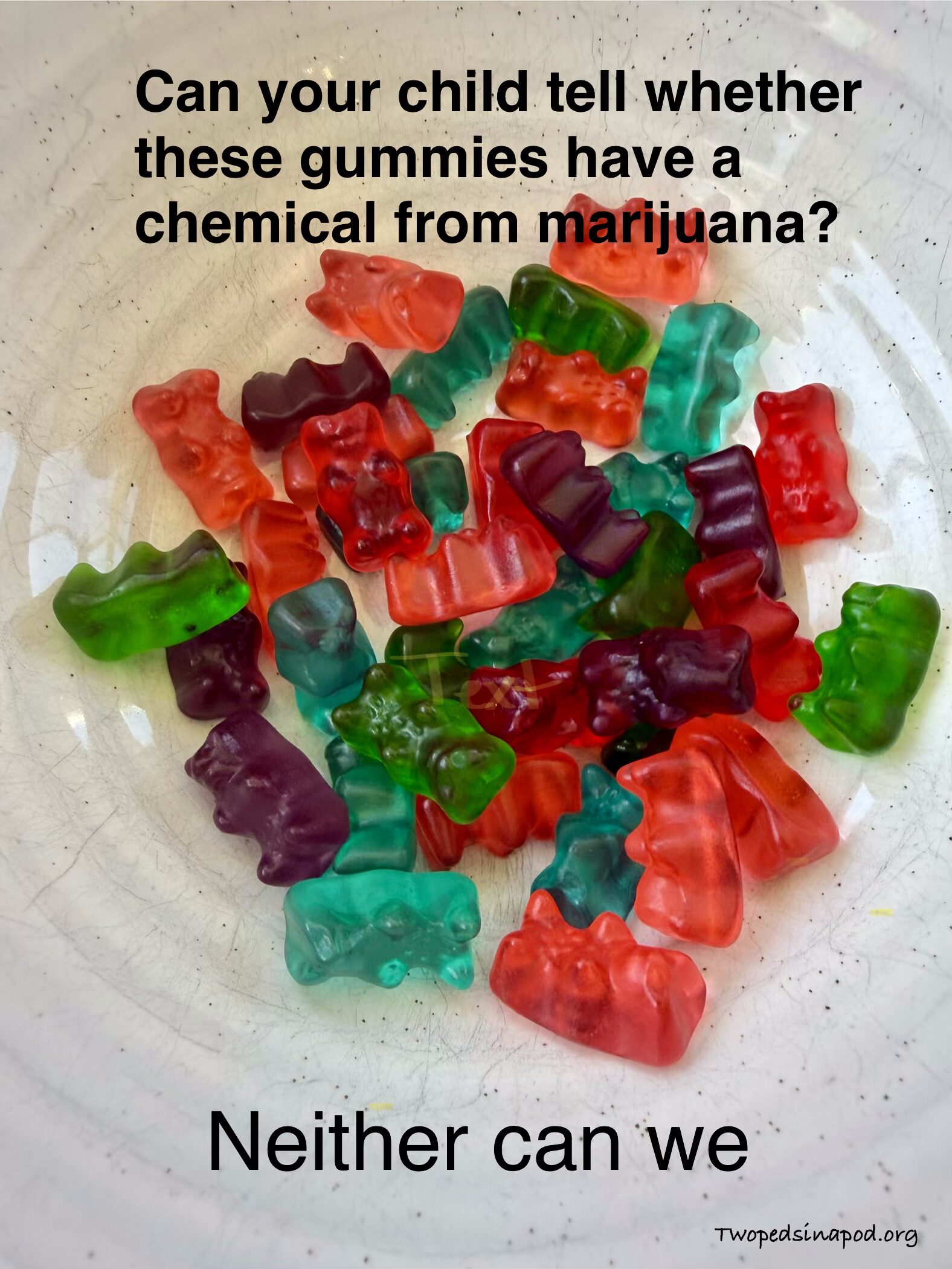
gummy bears on a dish that look just like edibles

“4 Bucks County Middle School Students Sickened After Ingesting THC Gummies

This incident occurred close to our pediatric offices and involved four students, just 12 and 13 years old. As pediatricians—and as members of this community—we feel it’s important to talk about what happened and why it matters.

THC is the active compound in marijuana. In edible forms like gummies, the concentration can be quite high. For a child, consuming even a small amount of these products can lead to serious, and sometimes life-threatening, effects.

At this time, it is unclear whether the students in our nearby middle school knew the gummies contained THC, or where they obtained them—whether from a store, a friend, a sibling, or an adult. What we do know is that these products are easy for middle schoolers to access and very easy to mistake for regular candy.

Continue reading “Prevent your children from ingesting THC edibles”
Share

Help your Child Handle Bullying

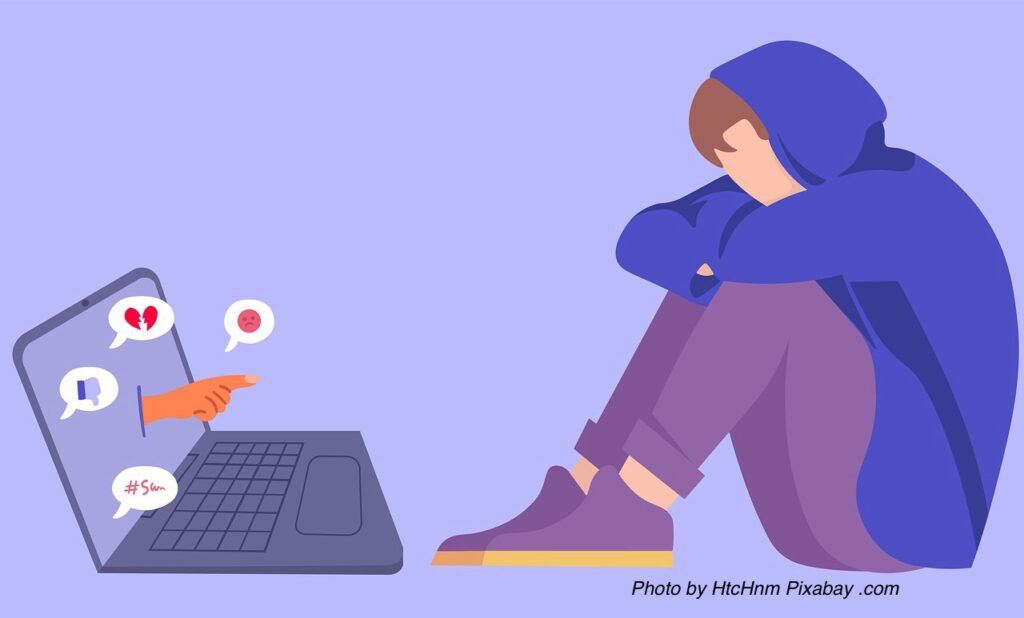
As a parent, there are few things more heartbreaking than seeing your child upset because they’ve been bullied. Whether your second grader is crying after being teased on the school bus or your teen is avoiding the school bathroom to escape cruel remarks, the feeling of powerlessness can be overwhelming. You may be tempted to go after the bully yourself. But there are more effective, long-term ways to help your child handle bullying. 

Bullies are always in a position of power over their victims; either they are physically larger, older, or more “popular.” While you or your child may want to “get back” at the bully, retaliation only fuels anger and can land your child in trouble. Remind your child that most bullies act out because they feel insecure themselves. Teach your child empathy for the bully.

What can you do?

Continue reading “Help your Child Handle Bullying”
Share

Lice: Don’t Scratch Your Head Over It!

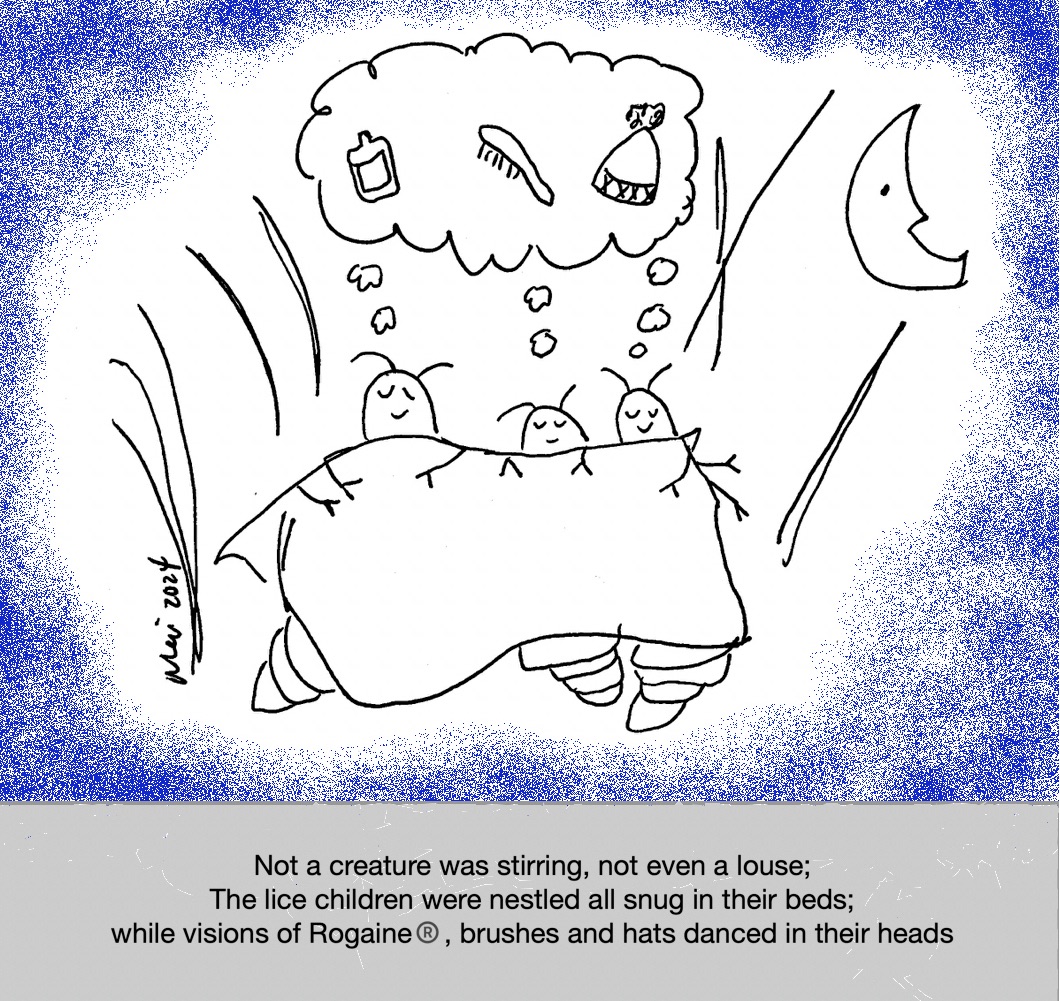
lice dreams

Now that school is back in full swing, you might notice your child scratching their head… and maybe you’re starting to scratch your head too. Let’s dive into the topic of lice and clear up some of the confusion.

What Are Lice, Really?

Lice are small, harmless insects that cause itching but don’t spread disease. The itching comes from a reaction to their saliva—similar to how poison ivy causes a reaction on the skin. It sounds gross, we know, but the good news is that lice are more of an annoyance than a health risk.

By the time you spot a live louse on your child, they’ve likely had lice for at least a month. So, while it might seem alarming to spot a louse crawling on their head, it’s not an emergency. Schools shouldn’t send kids home early for lice; after all, they’ve likely been in class with lice for weeks. That said, treating lice promptly can relieve the itching and stop them from spreading. Children can return to school the day after their first lice treatment.

Continue reading “Lice: Don’t Scratch Your Head Over It!”
Share

Managing anxiety in children

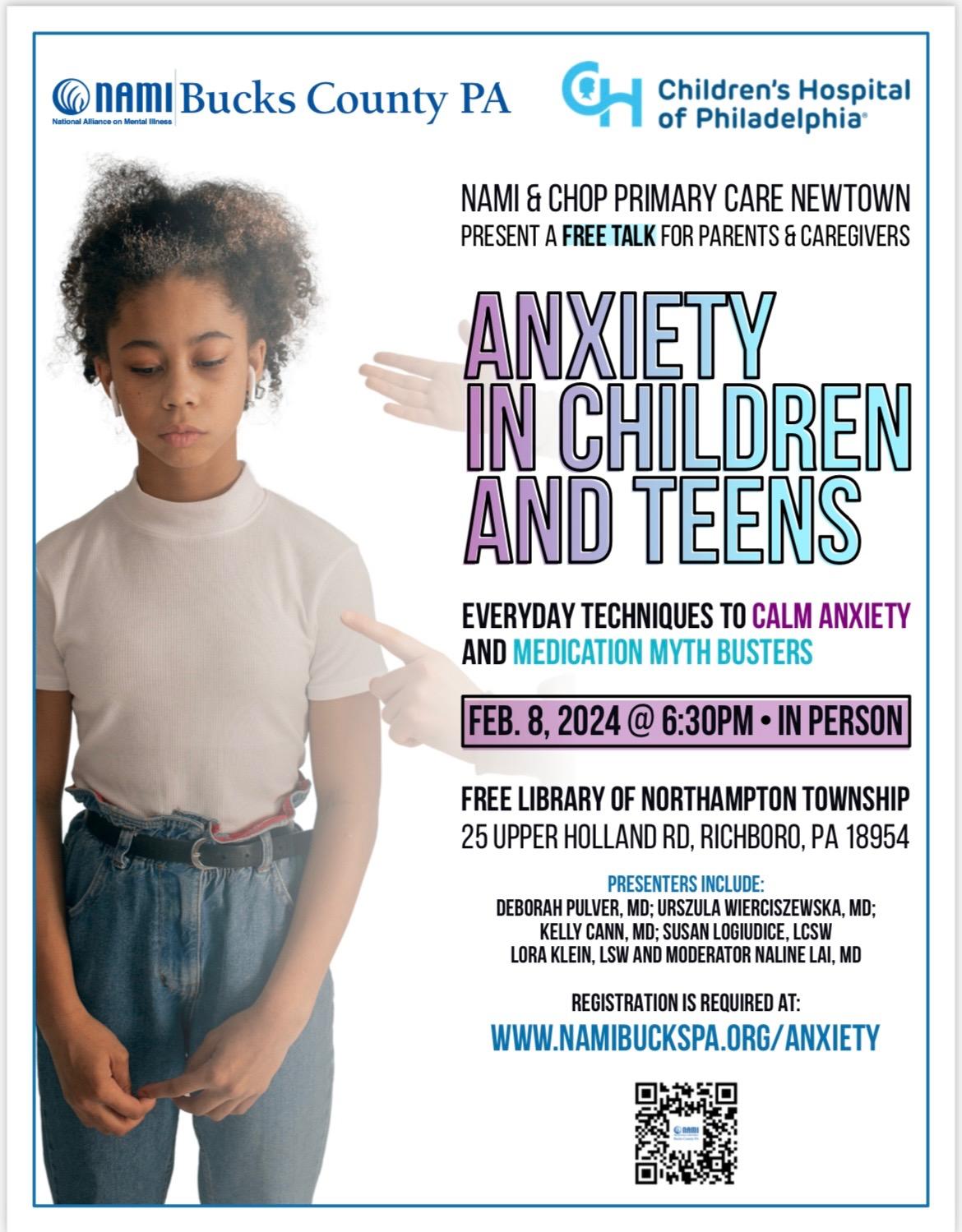
Parents local to Northampton Township, PA: We welcome you to come hear local pedatricians from The Children’s Hospital of Philadelphia and mental health experts talk about basic ways you can help manage anxiety and some information about medications for children and teens on February 8, 2024 at 6:30pm in the Northampton Library.

The talk is free and there will be time for questions. Please register so we set up enough chairs!

Special note: your Two Peds will be in attendance. Hope to see you there!

Naline Lai, MD and Julie Kardos, MD

©2024 Two Peds in a Pod®

Share

How to Talk to Kids About Hard Topics: a panel discussion

a young woman using a laptop beside her mother
Photo by cottonbro studio on Pexels.com

Death, politics, mental illness, and sex- all difficult topics for parents to talk about with their kids. Your Two Peds joined a social worker, school guidance counselor, and former teacher in a lively panel discussion at the Haverford Township Library in Haverford PA on how to normalize conversations on difficult topics between parents and their children. Watch as we talk about on ways parents can give kids give information while limiting their anxiety .

Past posts about ways to share difficult information with your children include the topics of suicide, stillbirth/miscarriage, death of a person, and death of a pet.

Warmly,

Julie Kardos, MD and Naline Lai, MD

©2023 Two Peds in a Pod®

Share

Quick exercises for kids and teens

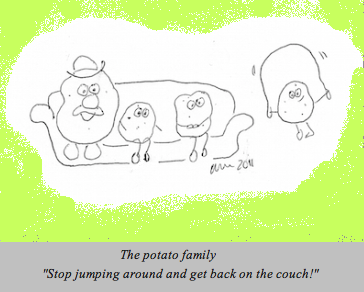
couch potato

Physical therapist Dr. Deborah Stack brings us quick exercises for kids and teens – Dr. Lai and Kardos

After six months of COVID; yes, it really has been that long already, your family has probably found some favorite outdoor hiking spots or bike routes.  But what can you do when it’s too cold or wet outside?  How can you combat literally HOURS of kids sitting at computers especially if they only have 30-45 minutes until their next class? Here are quick exercises for kids and teens and a table of caloric expenditure for common activities.

Schedule active movement breaks into their day.  Take advantage of that lunch and recess “break” and be an example yourself. 

Here are some short burst ideas:

  • Have a 15-minute dance party
  • Use your body to make all the letters of the alphabet
  • Shadow box to some music
  • Dust off the treadmill or stationary bike in the basement
  • Play ping-pong
  • Do a few chores (carrying laundry baskets up and down is great exercise)
  • Jump rope
  • Jog in place
  • Do jumping jacks
  • Pull out some “little kid games” such as hopscotch or hulahoop
  • Let each child in your house choose an activity for everyone to try
  • Do a family yoga video
  • Walk or “run” stairs…kids can try to beat their prior score for a minute of stairs
  • Take walking/wheeling/even wheelbarrow laps around the house
  • Stretch out calves, quadriceps, arms and back…see ergonomics post for counteracting all the sitting
Continue reading “Quick exercises for kids and teens”
Share

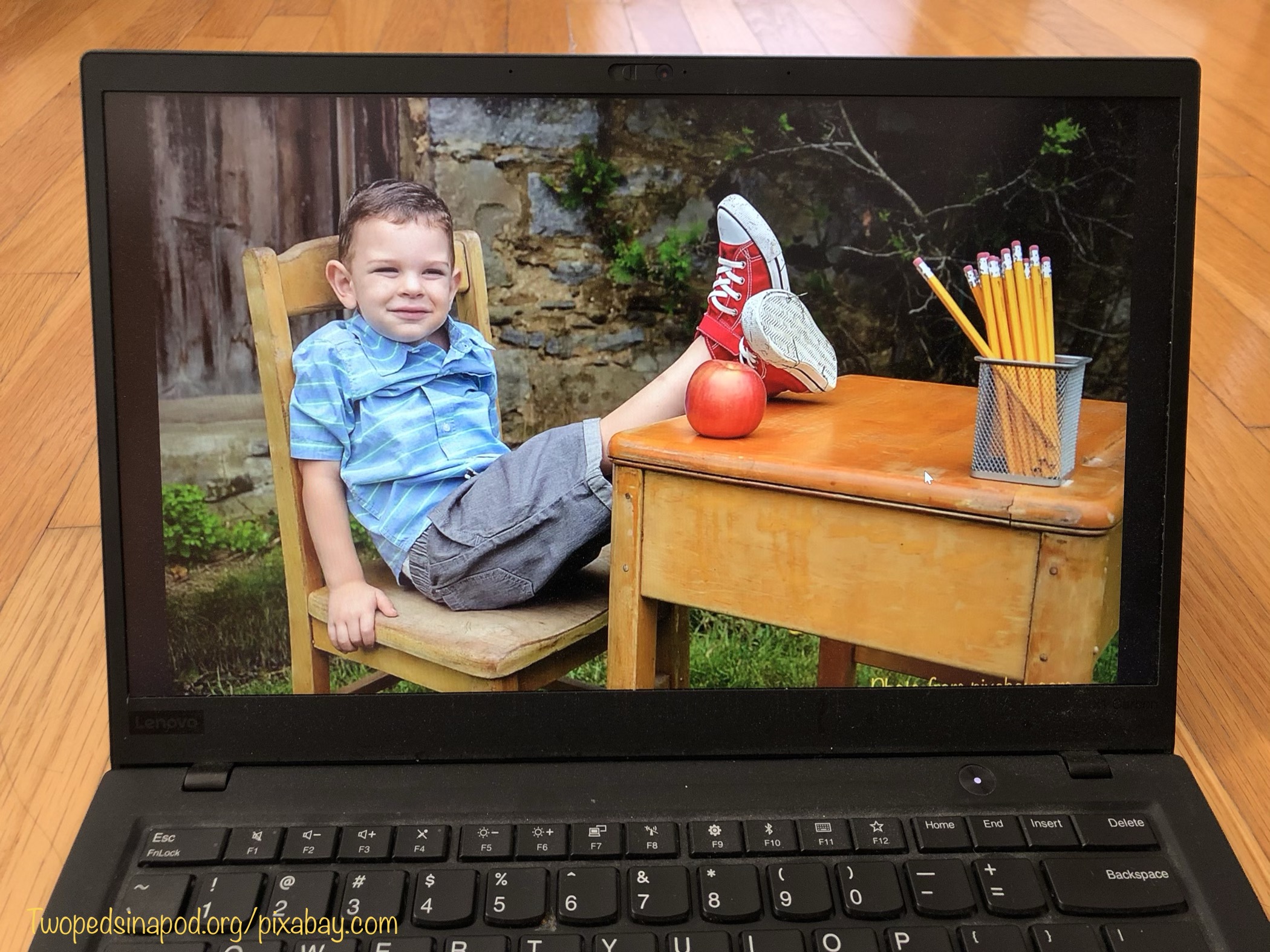
Going back to school online? Here’s what pediatricians want you to know

Chances are, because of COVID 19, this school year will look different for your children. Here are your Two Peds’ tips for helping your children if they are learning online this fall.

Start with basics such as setting a sleep schedule. Think about how many hours your child slept during the spring quarantine and over the summer. If they woke up refreshed, that is the optimal amount of sleep they need to be alert during class. Incorporate this into your school year expectations.  Falling asleep too late and sleeping too late? Check here on how to get your child’s late schedule under control. 

Set up an eating routine. Healthy eating habits have not changed from when you were a child. Stick to the school year schedule of breakfast, lunch, dinner and a morning and afternoon snack – just like at school. Don’t allow the  kids to graze. Without structure, children tend to throw off their weight- in fact, kids tend to gain weight more quickly  in the summer than during the school year

Rehearse mask wearing. Even though they attend school at home, your kids will go to the grocery store, see a good friend or get a haircut. Teach them to wear a mask properly so you don’t need to spend time readjusting their masks outside of the house.  

Keep up the hand hygiene at home: Washing hands always limits germ spread. WHEN–before and after eating, after using the bathroom, after playing outside, and before and after school, the HOW–soap and water preferred for the duration of time it takes to sing the Happy Birthday song twice, or hand sanitizer if a sink is not available, and the WHY–avoid germ spread. See our post on handwashing.

Prevent neck and back strain from continual computer use: Read these posts on ergonomics and proper computer positioning to prevent your children from feeling like pretzels  at the end of the day. Likewise, prevent eye strain.

If you are worried about the amount of additional time your children will spend in front of the computer for entertainment in addition to schoolwork, use the American Academy of Pediatrics’ Family Media Plan tool to create a customized screen time contract.

Create a home learning space that your child can call their own. This will be where your child will complete schoolwork and homework. This is especially important if you child usually spends time doing homework on their bed. You want your child to associate their bed with relaxation and sleep rather than activities that rev up their mind. 

Get your child the flu vaccine this fall. Even if you never immunized in the past, this is the year you should. Please see our post on the benefits of the flu vaccine

Help your child to “roll with the punches.” Change, even happy change, can be stressful for adults. After all, we all know how adults often run around frantically during the winter holidays. If you feel frustrated, angry, or fearful about the pandemic, try to keep the brunt of your own negativity from your children. Kids are often more adaptable than you might give them credit for, but they tend to mimic their parents and look to parents about how to respond to new situations. Seek adult help to prevent your own negative feelings from flowing over and smothering your children.

You can do this. Who taught your children their first words? How to walk? The color of an apple? How to organize their homework? You will still have teachers who will teach the content of a class. Your role, as it always has been, is to provide the best possible  learning environment.

No matter how it looks, we wish your family a great start to the school year!

Naline Lai, MD and Julie Kardos, MD

©2020 Two Peds in a Pod®

Share

Teen vegetarian diet basics

teen vegetables
veggies, veggies, veggies

“Monitor your child’s diet closely to make sure they are getting enough calories… Some teens need 4,000 calories a day when they’re in a growth spurt!”

Check out the Children’s Hospital of Philadelphia Tip of the Week- a post on vegetarian teen diet basics with input from Dr. Lai!

Julie Kardos, MD and Naline Lai, MD
©2020 Two Peds in a Pod®
Share
image_pdfimage_print