
How to sit at the computer: Ergonomics for kids doing schoolwork at home

ergonomics for kids doing schoolwork at home
#homeschooling #computer ergonomics #COVID #admireteachers


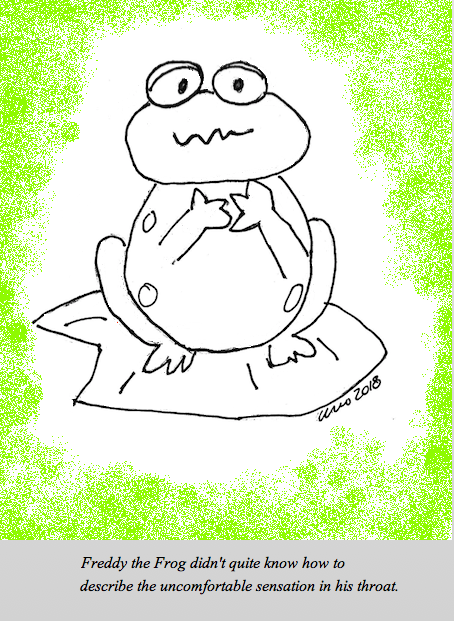
Oh my aching back…

Right now, with schools closed, kids of all ages are doing schoolwork at home.  Technology has allowed continuation of learning and even face-to-face check in with teachers.  But it also poses some challenges. School classrooms are designed for children; our kitchen tables are not.  How to sit at the computer? Just as we require ergonomic workstations for our jobs; we need to consider proper fit and alignment for our children as they learn virtually. The following are basic ergonomics for kids doing schoolwork from home that can prevent muscle aches and fatigue.

Where to place the computer screen:

Place the computer screen directly in front of your child with the eyes level with a spot about 2-3” below the top of the screen.  In addition, place the keyboard so that the upper arms and shoulders are relaxed. The forearms should be parallel to the floor and the elbow bent less than 90 degrees.  The chair should have back support and allow the thighs to be supported parallel with the floor. Knees should also be bent to 90 degrees or a bit less with feet supported. This can be a challenge for our elementary school kids who are trying to work at home.  The Canadian Safety Council suggests: “choose a chair that places the child at the proper height in relation to the equipment. If that means a higher chair, provide a footrest to support the feet and a pillow to support the back.” Continue reading “How to sit at the computer: Ergonomics for kids doing schoolwork at home”


Share

Teen vegetarian diet basics

teen vegetables
veggies, veggies, veggies

“Monitor your child’s diet closely to make sure they are getting enough calories… Some teens need 4,000 calories a day when they’re in a growth spurt!”

Check out the Children’s Hospital of Philadelphia Tip of the Week- a post on vegetarian teen diet basics with input from Dr. Lai!

Julie Kardos, MD and Naline Lai, MD
©2020 Two Peds in a Pod®

Share

Photo quiz: what causes brown spots on feet?

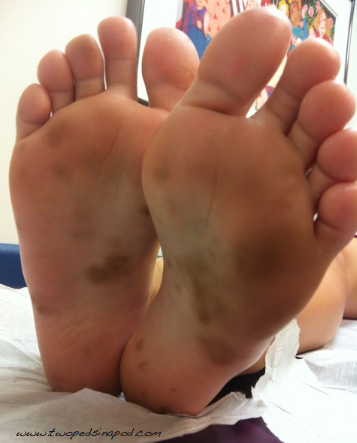
brown spots on feetWhat causes brown spots on feet? In the summer, we see kids with these spots on their feet or hands. Read on for the answer behind the mysterious spots.

Every child with a lemonade stand hopes for hot sunny days to drive in customers. But if your kids squeeze fresh lemons for their stand, make sure they wash their hands after squeezing the lemons. Otherwise, after a sunny day, your child’s hands may turn out looking like this kid’s feet. The juice of some fruits or plants will cause a dark discoloration of the skin if exposed to sunlight.

This reaction, called phytophotodermatitis, usually starts a day after the juice comes into contact with the skin. Redness and mild blistering eventually leads to a discoloration, like those brown spots on feet, which can that can last for months. Citrus fruits are the most common culprits, but wild parsnip, wild dill, wild parsley and buttercups also cause the photosensitivity. Often the initial redness and blistering is missed. The kid in the photo was walking in bare feet on leaves near an apple tree. So now you can tell your kids not to walk barefoot outside to prevent stepping on a bee, to prevent contracting poison ivy, and to prevent phytophotodermatitis!

Makes you think about holding off on fresh lemons and using powdered lemonade mix…almost.

Naline Lai, MD and Julie Kardos, MD
©2014, 2019 Two Peds in a Pod®

Share

How to treat eczema or atopic dermatitis

eczemaIt’s pretty annoying to be itchy. Dr. Lai fondly called her itchy oldest child with eczema “itchy, bitty, spider,”or some variant of that, for much of her daughter’s childhood. Fortunately, for your kids with sensitive skin, dermatologist Teresa S. Wright, MD  joins us today with tips for how to treat eczema or atopic dermatitis—Drs. Kardos and Lai

Has your child been diagnosed with eczema? Eczema is a general term that refers to a group of skin conditions characterized by itchy red rashes. The term “eczema” often refers to a skin condition known as atopic dermatitis. Atopic dermatitis may occur in association with allergies and/or asthma and the rash tends to come and go. Common triggers include illness, stress, and changes in the weather or temperature. The cause of atopic dermatitis is not well understood. However, most children with atopic dermatitis tend to have very dry, sensitive skin. Atopic dermatitis cannot be cured, but it can be controlled. Most children with atopic dermatitis gradually improve and many will outgrow it over time. In order to control the rash, a proper daily skin care regimen is extremely important.

Skin care regimen to treat eczema

A daily bath or shower is recommended. It is a common myth that daily bathing “dries out” the skin. This is not true. Bathing puts moisture in the skin and removes irritants and germs. However, the bath or shower should be short (less than 10 minutes) and not too hot. Cleanser should be gentle, fragrance-free, and dye-free. Dove™ for Sensitive Skin or Aveeno™ fragrance-free cleanser are good choices. After bathing, pat the skin dry with a soft cotton towel and apply a  heavy bland moisturizer to all skin to seal in the moisture. Continue reading “How to treat eczema or atopic dermatitis”

Share

Update on Gardasil vaccine: yes, it is safe and effective


“Should I give my kid the Gardasil® vaccine?” Friends and relatives, as well as our patients’ parents, continue to ask us this question.

Our answer is always: “Yes.”

Gardasil® vaccine is the current HPV vaccine on the United States market. The vaccine prevents cancer-causing strains of human papillomavirus from infecting a person’s body. HPV cancers include cervical cancer in women, penile cancers in men, and cancers of the mouth and throat in everyone. The vaccine also protects against genital warts. Continue reading “Update on Gardasil vaccine: yes, it is safe and effective”

Share

Help prevent your teen from playing risky games

Prevent your teen from taking unnecessary risks
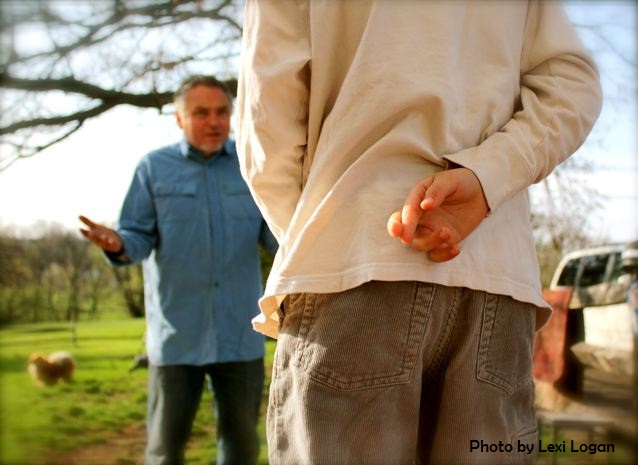
Some games are riskier than others and it’s hard for teens to tell the difference.

Remember playing “Truth or Dare” as a kid? Some of the dares were silly, some potentially embarrassing, but some were downright risky. Now our children are playing potentially dangerous games. How can you prevent your teen from taking unnecessary risks?

To understand why kids would play risky games such as the Cinnamon Challenge or the Laughing Game, let’s step into the mindset of a teenager. Don’t let their adult-like appearances deceive you. Based on what we know about teenage brain development, teens are more likely to misinterpret or mislead social cues and emotions and to engage in risky behavior. Even though your teens may be taller than you, their deductive reasoning skills are not fully developed until around 25 years old. They have difficulty thinking through long term plans.

Take a simple example of studying. If they stay up very late studying, they do not consider that this will cause impairment in cognition the next day and consequently they are forced to stay up Continue reading “Help prevent your teen from playing risky games”

Share
image_pdfimage_print