New national guidelines for water safety, and free swim lessons in Bucks County


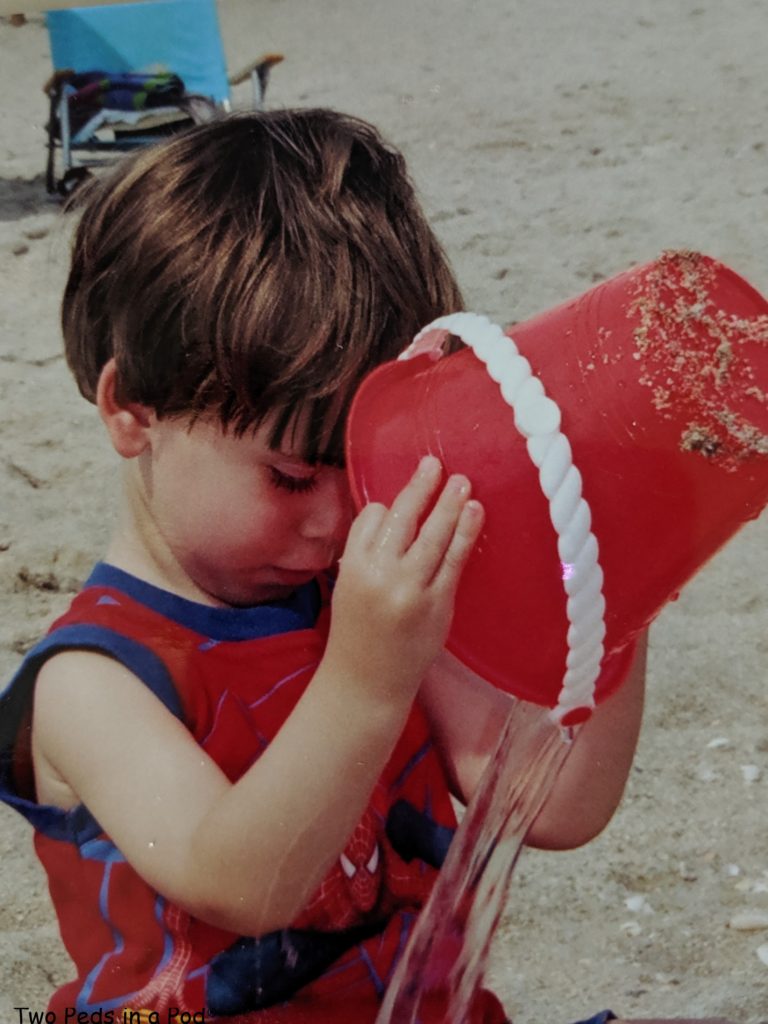
water safety guidelines apply on beaches as well as pools

When one of Dr. Lai’s kids was around two years old, she deliberately let go of Dr. Lai’s hand when wading in waist high water. She exclaimed, “Look mommy, I can swim!” But she couldn’t, and as she started to sink, Dr. Lai scooped her up. What if she had taken swim lessons? Would that have been enough to prevent drowning? It may have helped, but that’s not enough. Kids need layers of protection to prevent tragedy in water.

Just in time for summer, we have new evidence about drowning prevention for both young kids and teens. Read on for updated swimming and water safety tips and an offer for free swim competency lessons for older kids.


Who is most at risk for drowning?

Children age 4 years and younger.

Most of these kids drown when parents do not realize kids have access to water. Think bathtubs, buckets, and toilets as well as ponds, puddles, and pools. Drowning is silent. Parents need to always watch their children around any body of water.

Adolescents aged 15-19.

Several factors contribute, including under-estimating risk (strong tides, swimming out too far), overestimation of skills, and substance use. Be sure to discuss rules of swimming with all of your children even if they are strong swimmers, and instruct them never to swim alone or without a lifeguard. Set an example yourself by wearing life jackets while boating and abstain from alcohol consumption. Alcohol contributes to half of all boating accidents in the United States.

Kids with autism.

Like children with other behavioral disabilities, they often wander away from adults without warning.

Children with seizure disorders.

Drowning is the leading cause of accidental death in children with epilepsy. Like ALL children, kids who have seizures should never be left alone for even a second in pools or baths.

Kids with a predisposition to cardiac arrhythmias.

If your family has a history of heart arrhythmias (eg. Long QT, Brugada syndrome, Ventricular tachycardia), unexplained sudden death at a young age, or an unexplained drowning, bring it to your pediatrician’s attention. In your child, let your pediatrician know about any fainting/near fainting episodes, “funny” heart beats, or chest pain.


When should I start swim lessons for my child? Continue reading “New national guidelines for water safety, and free swim lessons in Bucks County”


Share

What do Rock ‘n Play and socks have in common? They’ve both been recalled this year. Predicting what’s up next:

child product recall

Whenever we look at the child product recall lists from The Consumer Protection Safety Commission (CPSC), it never fails to amaze us that even big brand names crop up in product recalls for children. Ironically, most are not new-fangled products. Bouncer seats, high chairs, rattles, and bicycle helmets are often amongst the recalls. We figure after decades of baby product manufacturing, designers and production managers would understand what constitutes a potential hazard for kids.

We urge you to scrutinize the kid merchandise in your house and identify the potential hazards before your child ends up as the reason a product is on the CPSC list. In fact, you might have already missed a recall on your older products. According to kidsindanger.org, child product recalls occur a couple of times a week, but when a baby product is recalled, only 10-30 percent are ever retrieved. Because recalls occur AFTER injury or death occurs, it is better if parents assess the safety of child products before a recall.

Here are some common reasons for recalls:

Products fail to adhere to the American Academy of Pediatrics safe sleep guidelines. We know parents of crying young infants are often desperate to get some sleep themselves, but many sleep products are not studied. If it seems too good to be true, it probably isn’t. Infants are not ready developmentally to sleep through the night, so any product that promises to help your infant sleep through the night is, by definition, problematic. An example is the Rock ‘n Play sleeper which was recently recalled. The soft squishy inclined cradles clearly did not adhere to the safe sleep guidelines, but often we heard a parent say, ”But that’s the only place they will sleep.” Unfortunately, this recall does not undo the deaths of the 32 reported babies who died in the sleeper. In the wake of the recall, other companies who make similar sleepers are also recalling their products.

We cringe every time a family tells us they are using a new fangled piece of wrap-around-baby sleep gear or sleeping contraption, because
most involve soft surfaces (not advised), inclined surfaces (not advised) or things-in-the-crib-other-than-your-baby (also not advised). Continue reading “What do Rock ‘n Play and socks have in common? They’ve both been recalled this year. Predicting what’s up next:”

Share

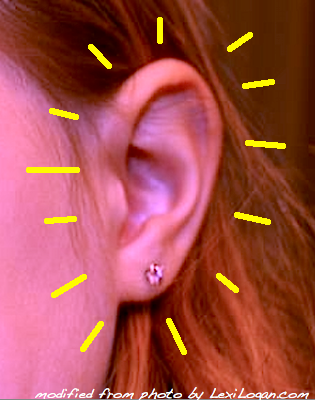
What to do when your child has an earache

earacheDoes your child have an earache?

In the aftermath of flu and croup season, we are diagnosing a fair share of ear infections. But not all earaches are due to ear infections.

Read our post about ear pain and what to do about it.

Julie Kardos, MD and Naline Lai, MD
©2019 Two Peds in a Pod®

Share

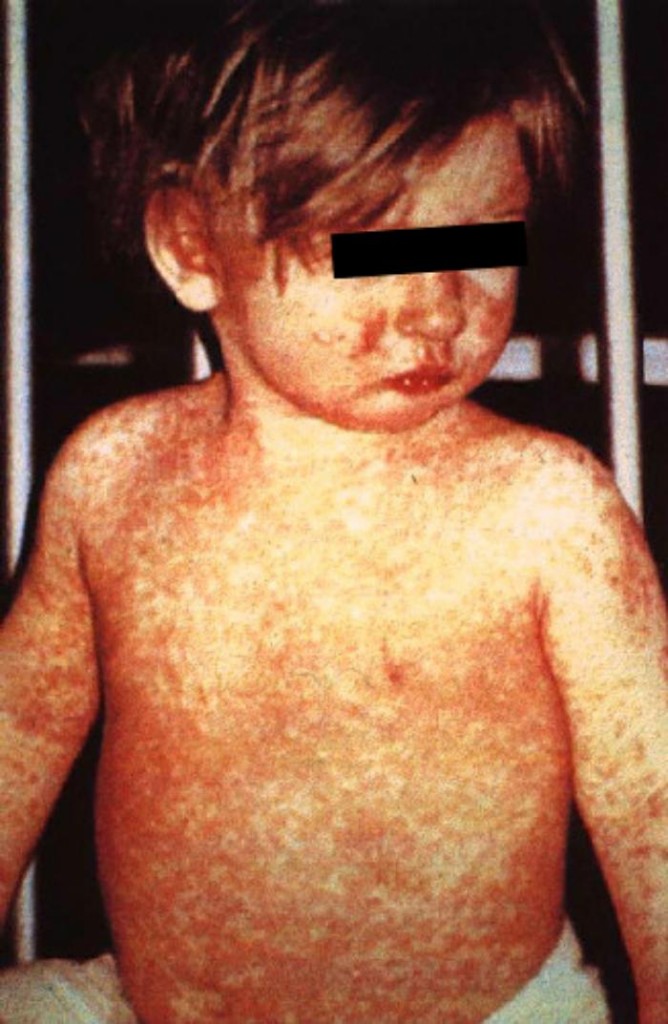
Another measles outbreak: recognize measles in your child

recognize measles
A typical measles rash, courtesy of the public health library, Centers for Disease Control and Prevention

It saddens us that we need to post about how to recognize measles, but the recent measles outbreaks in the United States force parents to be vigilant for a disease that was nearly eradicated in this country.

Both an increase in international travel and a decrease in parents vaccinating their kids is thought to be responsible for the increase in measles cases.

Measles typically starts out looking like a really bad cold
Continue reading “Another measles outbreak: recognize measles in your child”

Share

How to dress baby (and big kids) for winter

dress baby for winter
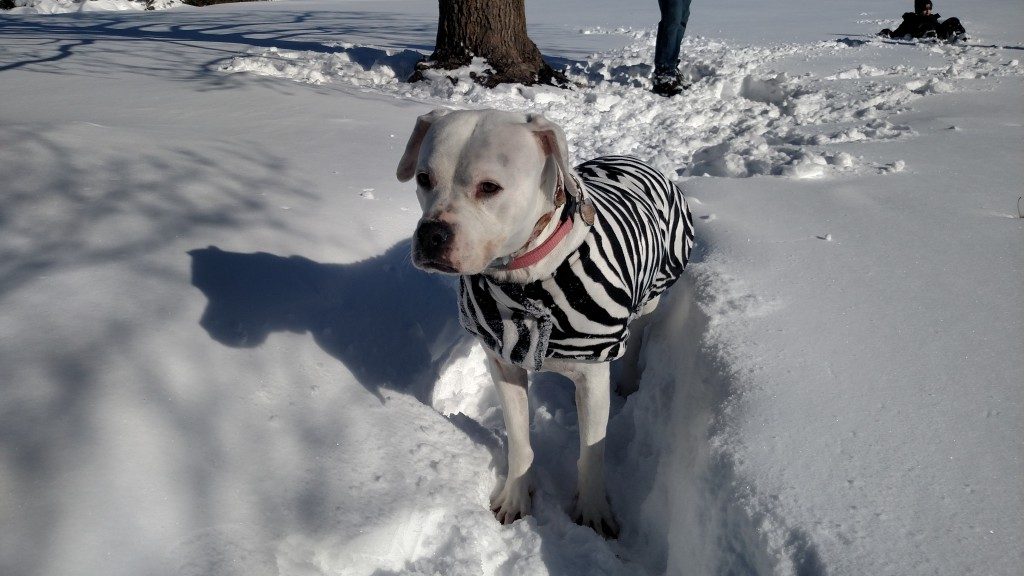
Dr. Kardos’s fourth child wears her coat without fuss in cold weather.

Now that the weather has turned “freezy,” parents ask us how to dress their baby (and big kids) for cold weather. Even Dr. Kardos’s teenaged kids allow her to  thrust winter coats on them as they head out to the bus stop. Wondering how to know if your baby, toddler, or older child are dressed correctly for the weather? Read our post on this topic.

Stay warm!

Naline Lai, MD and Julie Kardos, MD
©2019 Two Peds in a Pod®

Share

It’s possible: Tricks for eating out with your toddler

tricks for eating out with your toddlerIn this busy, holiday time of year,  you may find yourself dining out frequently with your toddler. Read our post to find hints on avoiding restaurant meltdowns without the use of an iPad or phone!
Julie Kardos, MD and Naline Lai, MD
©2018 Two Peds in a Pod®

Share

Coughing out germs? Natural remedies for kids

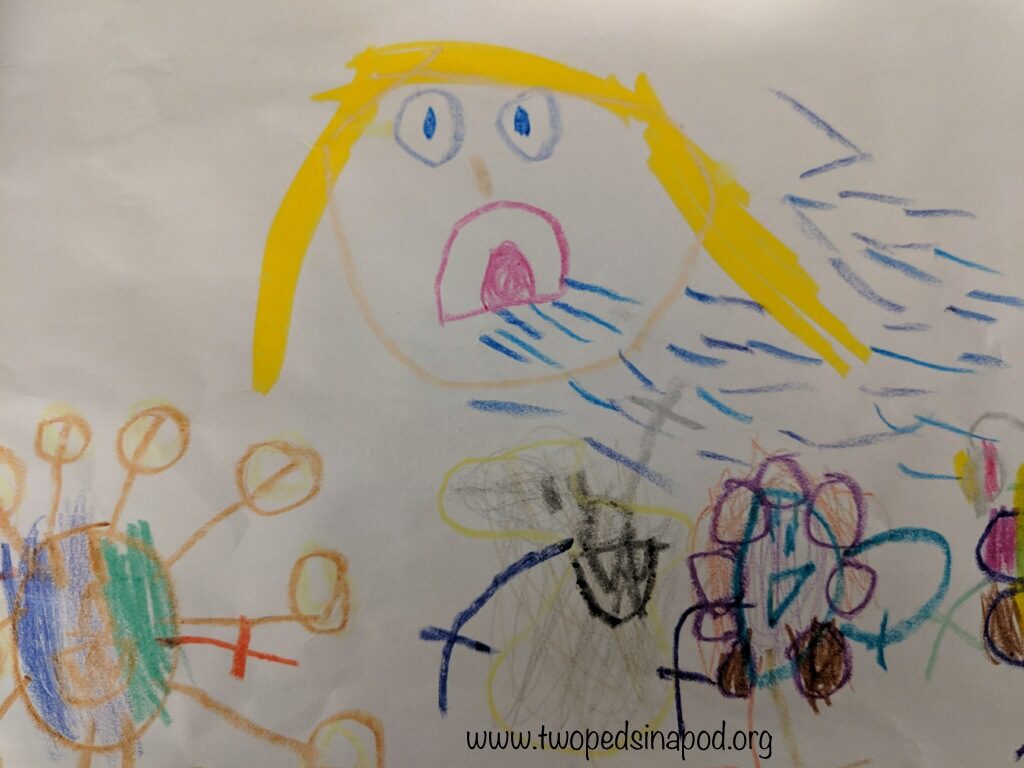
It would be nice to have some natural remedies for kids when they "cough out germs."
“coughing out germs”

Recently a 6-year-old patient handed me this drawing of “a person coughing out germs.”

The artwork reminds us that a cough can be a good thing. A cough dislodges mucus from the airway and can help prevent pneumonia.

However, coughs can spread germs and make kids feel plenty uncomfortable.  And, frustrating for parents, many over-the-counter medicines are not recommended for kids.

Looking for natural remedies for kids? Look no further than your kitchen.

Julie Kardos, MD and Naline Lai, MD

©2018 Two Peds in a Pod®


Share

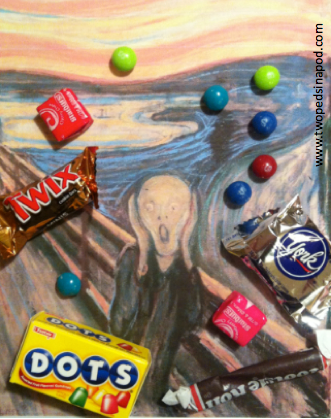
How to get rid of Halloween Candy

How to get rid of Halloween Candy
After the fun

You poured out all of your two liter soda bottles, replaced all of the potato chip snacks with fruit, and signed up all of your children for winter sports.  Just when you thought your family’s exercise level and food choices were perfect, along comes Halloween, that fabulous candy-filled holiday, to thwart your efforts. Here are some ways to keep the Halloween candy deluge down to a trickle:

-Buy back the candy with toys or money. The Halloween Buy Back Program was started by dentist Chris Cammer in 2005. Traditionally, dentists buy back candy from kids and usually send the candy to United States troops. Find local participating dentists and learn more about the program here.

-Have the Sweet-Tooth Fairy or Switch Witch™ come overnight, pick up the candy, and leave a present behind.

-Let your children know Halloween (and most holidays) lasts only one day. Live it up on Halloween, then dump the extra sweets into the trashcan the next day. If you hear whining, remind them that until summer, holidays come at a pace of about once a month. Additionally, they may attend an awful lot of birthday parties in between. A parental saying you can recite is, “It’s not a treat if you have something all the time.”

-If you decide to keep a small bag of candy around, watch out, your children will want to eat some daily. Candy becomes an ongoing “must have.” Instead, designate a day of the week that you will let them have some candy such as Candy Friday or Sweet Saturday. If the kids whine for candy on any other day of the week, you can say, ”Sorry, it’s not Sweet Saturday.”

-One parent told me she discourages her kids from eating too much Halloween candy by making their dental appointments on November 1—the day after Halloween.

As final justification for getting rid of the abundance of candy after Halloween, Dr. Kardos and I have heard more than a few parents say, “If I don’t get the candy out of my house, I’ll be the one who ends up eating it all.”

Now, that’s a scary Halloween thought.

Naline Lai, MD and Kardos, MD
© 2018 Two Peds in a Pod®

Share

Hooray! United States flu vaccine is here!

should my child get the flu vaccine?
Fight the flu! Vaccinate!

It’s time for your child’s yearly flu vaccine!

Why get the flu shot? Vaccinate against influenza (the flu) not only to avoid missed school days, but also to avoid hospitalizations and death. Last year in the USA, 172 children died from flu. You may not have heard about these fatalities because more sensational news tends to overshadow news about illness. We wish the news would inform that the vast majority of kids who died from flu had not received the flu vaccine. In addition, about half of the children who died from the flu were previously healthy and without underlying medical problems. Excluding the 2009 flu pandemic (H1N1), last year’s flu deaths represents “the highest reported since influenza-associated pediatric mortality became a nationally notifiable condition in 2004.” Kids younger than 5 years old have the highest flu complication rate of all children, so even if they do not yet attend daycare or school, bring your little ones in for a flu vaccine. Vaccinate your school-aged kids as well, for they spread the flu to more folks than any other age group.

Does it help to wait to give the vaccine? What if the vaccine wears off before flu season ends?
Continue reading “Hooray! United States flu vaccine is here!”

Share
image_pdfimage_print